6 min read
Dayuse moves from generic messaging to AI-powered personalization with BrazeAI Agent Console™
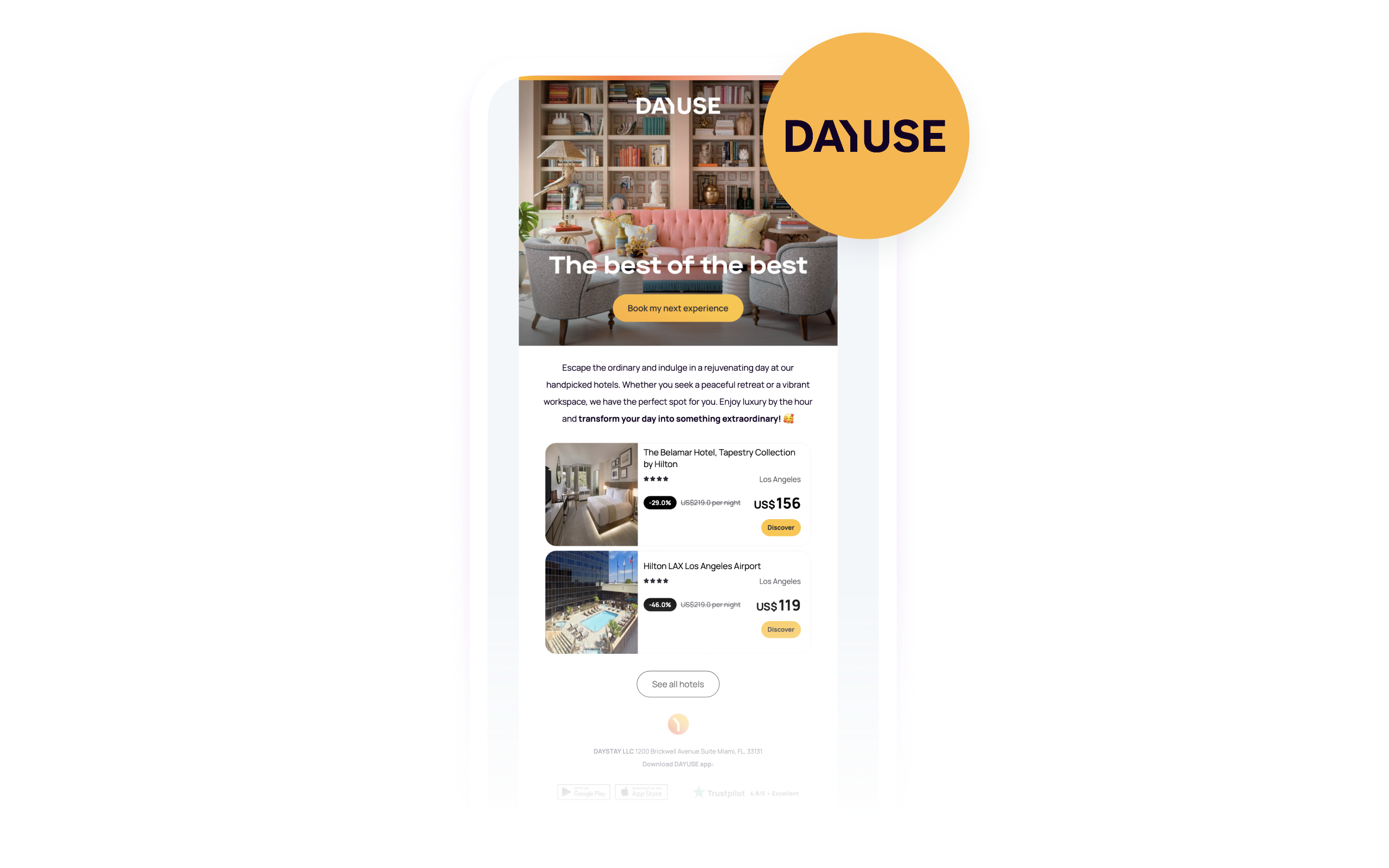
As the global leader in daytime hotel services operating across 30 countries, Dayuse’s priority is to proactively optimize customer lifetime value. To prevent any potential softening of repeat booking rates, the team sought to move beyond standard re-engagement and deliver a more sophisticated, individualized experience. However, managing high-level personalization and local nuances across dozens of markets and languages required a more scalable, AI-driven approach to maintain their competitive edge.
Dayuse adopted BrazeAI Agent Console™ to generate individualized campaign content at scale—drawing on user data like wish-listed hotels, last-booked property type, booking history, and preferred language. Agent Console embeds autonomous AI agents directly as steps within the Braze customer journey builder, replacing their previous external LLM provider with a more reliable, integrated solution that puts personalization within reach of a small CRM team.
The brand doubled the incremental revenue for their “favorite campaign” compared to the control group. After migrating to BrazeAI Agent Console™ from their prior webhook setup, Dayuse saw an additional 23% uplift in their “repeat campaign.”

INDUSTRY
PRODUCTS USED
BY THE METRICS
90%
Increase in overall booking conversion rate
23%
Uplift after switching to BrazeAI Agent Console™
2X
Incremental revenue from the "favorite campaign"
Dayuse has carved out a distinctive niche within the travel industry. As an EMEA-based hotel reseller, the company books daytime access to hotel rooms across 30 countries. Customers can book a room for a few hours—whether to use the spa, enjoy a quiet workspace, or rest after business travel—without requiring an overnight stay. The model benefits both sides of the marketplace: guests get a premium experience at a fraction of the cost, while hotels generate revenue from rooms that would otherwise sit empty during the day.
This is no doubt why Dayuse has grown into a global platform connecting guests with hotels in major cities worldwide. Yet the company's ability to continue scaling depends on addressing one critical behavioral challenge: enticing customers to return.
The opportunity: Improve repeat conversion rates
Dayuse aimed to proactively optimize customer lifetime value and prevent any potential decline in repeat rates by reinforcing its loyalty strategy. As many first-time users discover the platform out of necessity—a flight delay, a layover, a last-minute meeting—Dayuse recognized an opportunity to show users the full value of its offerings.
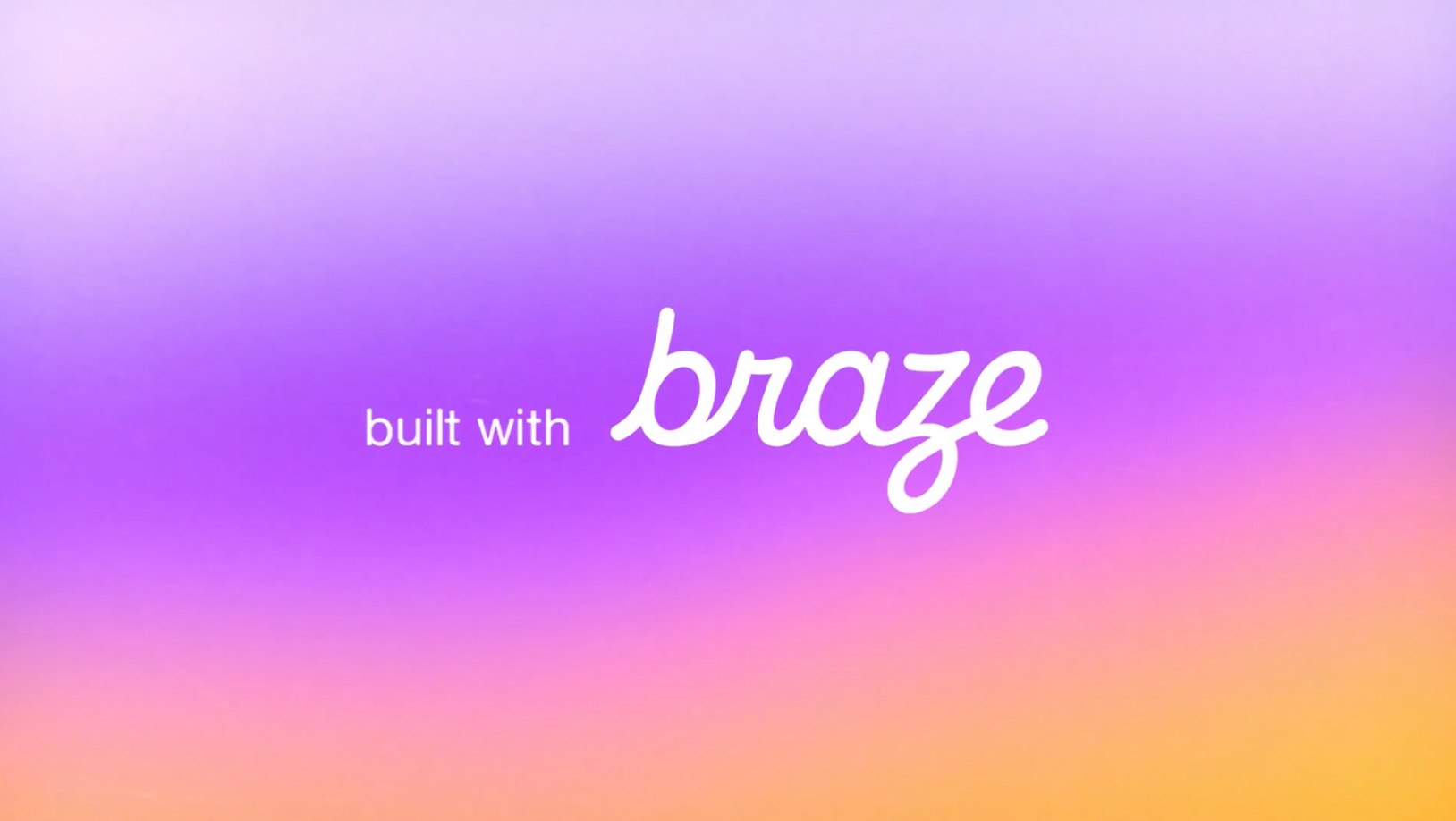
Martin Juglair, who manages customer relationship management (CRM) for Dayuse, explained how they made that strategic evolution. They first defined their key metric, repeat rate, defined as total bookings divided by total users. By focusing on improving the customer experience with its loyalty strategy, Dayuse could improve repeat rates.
Martin is the primary Braze user, and the small but mighty team of three manage CRM strategy across the company’s global user base. They knew that the path to better retention had everything to do with more personalized and intelligent messaging, but were held back by current tools.
The challenge: Personalization reaches its limits
Dayuse's early repeat and abandoned cart campaigns were functional but limited. After a set number of days without a second booking, users would receive an email that used the same messaging and structure, regardless of their interests or what they'd booked before. Later re-engagement emails needed to say something meaningfully different from the first, and complexity multiplied across both time and user circumstance. For example, a user who booked a spa hotel in Paris needs a different message than one who booked a business-focused property in London. And all of this had to work across multiple languages, not just French and English, but the full range of markets where Dayuse operates.
The team tried generating randomized subject lines and body copy to introduce variety. But true personalization—content that references a specific user's history and preferences—remained out of reach with manual content creation.
The strategy: AI-generated content, built around user data
Dayuse saw an opportunity to use AI and initially connected with ChatGPT via a third-party webhook to generate and send personalized messages through Braze. The early results were promising—their "favorite campaign," an abandoned cart campaign that triggered when a user adds a hotel to their wish list but doesn’t complete a booking—doubled the incremental revenue vs. the control group. Martin gave chatGPT the last three hotels the user saved and asked the AI to write a message enticing users to complete a booking. This performed far better than generic alternatives. Yet this setup was complicated from an operational standpoint. The team faced difficulty building and managing campaigns because of external dependencies on OpenAI that could disrupt campaigns, ran into credit management issues, and had difficulty monitoring what AI was actually producing. Even with good results, the team desired more transparency and fewer disruptions.
After BrazeAI Agent Console™: Fewer slow-downs, more visibility
As a Braze admin, Martin recognized that switching to BrazeAI Agent Console™ could help resolve these pain points. The Agent Console embeds autonomous AI agents directly as steps within a Braze Canvas, providing the CRM team with a single environment in which to build, run, and review AI-generated content. This means they no longer need to rely on external connectors or troubleshoot webhook failures. The Agent Console also allows the team to inspect what the agent produces before it reaches a customer, a transparency feature Martin finds especially valuable, even as agents produce content that generates the desired results.
The core approach puts Agent Console’s composable intelligence to work: Each agent step in the Canvas receives relevant user data and tailors copy to that individual. The inputs vary by campaign type. For repeat booking campaigns, the agent receives the user’s total booking count, the type of properties they’ve favored (leisure vs. privacy-focused), and details about their most recent stay.
Engagement also reaches users in their preferred language, instead of relying on the country as a proxy. This allows Dayuse to serve a French-speaking user in Belgium differently from a Dutch-speaking user in the same country, adding an additional layer of localization precision.
Overall results: a measurable and meaningful lift across the funnel
The impact of AI-driven personalization for Dayuse and its hotel partners is clear: more vacancies, filled. Dayuse learned this early on with the "favorite campaign" and the transition from the previous approach with ChatGPT to BrazeAI Agent Console™ for the “repeat booking” campaign delivered a 23% uplift. Additionally, seamless content generation, fewer operational disruptions, and the ability to review agent-generated content added value that only a native integration can provide. Dayuse now has the option to apply AI agents campaign by campaign, and to further optimize to each individual user.
“Integrating BrazeAI Agent Console™ has done more than improve our operational efficiency; it directly impacted our conversion performance. Since transitioning to the native BrazeAI™ agent, we’ve observed an additional 23% uplift—a boost that is a direct result of the more sophisticated and seamless content personalization now available to us.”
Martin Juglair
CRM Specialist, DayuseKey takeaways
1. AI personalization works best with structured, relevant inputs: The quality of the inputs shapes the quality of the output. Dayuse fed the agent specific, meaningful user data (wish-listed hotels, booking history, preferred language) so that it could generate content tailored to each individual.
2. Native integration simplifies operations: Moving from an external webhook setup to BrazeAI Agent Console™ eliminated friction and slowdowns from the CRM team’s previous approach. Because the Agent Console embeds directly into Braze Canvas as a composable step, the team gains both reliability and visibility into what the agent produces.
3. Small teams can scale results with the right infrastructure: BrazeAI Agent Console™ makes personalization at scale achievable, even for a team of three supporting a global user base. Braze allows Dayuse to implement AI personalization incrementally, one campaign at a time, without rebuilding their entire CRM architecture.
FEATURED TOPICS
Check out more Case Studies
 Case Study3 min read
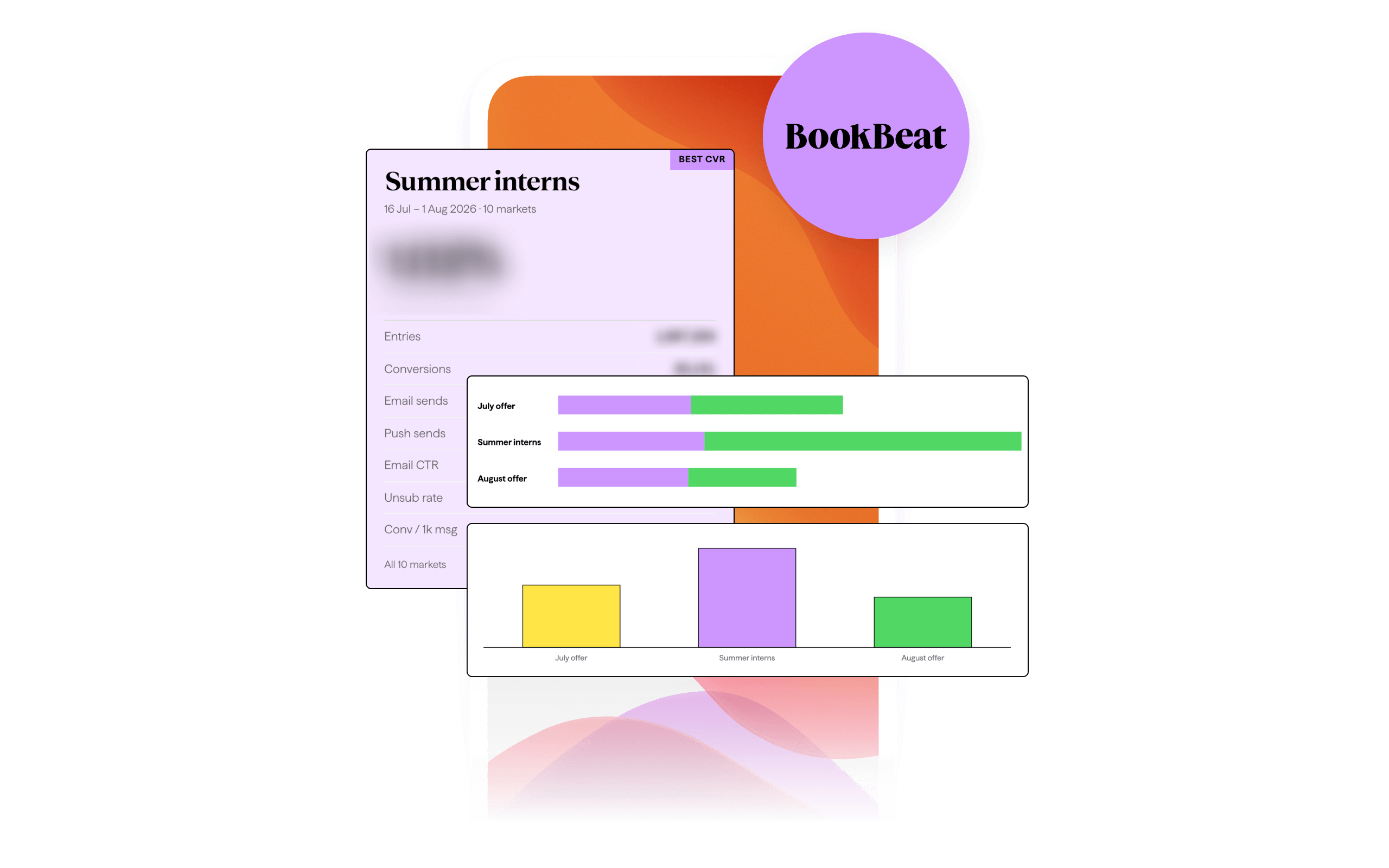
How BookBeat cut days of cross-market reporting to minutes with the Braze MCP Server
 Case Study3 min read
Klover turned a testing plateau into its biggest open-rate wins with Braze Content Optimizer
 Case Study3 min read
Uswitch turns AI-optimized subject lines and CTAs into a smarter path to smart meter connections