No user is an island: Supporting context-aware experiences across relationship hierarchies with Braze Accounts
Published on September 22, 2026/Last edited on September 22, 2026/6 min read


Sahiz Kaur
Senior Product Marketing Manager, Braze, BrazeContents
TL;DR
Braze recently announced the release of new data objects, Accounts, providing brands with a flexible, intuitive framework to natively model nuanced, cross-hierarchical relationships, allowing marketers to preserve critical context and deliver seamless, human-centric experiences—reducing the need for complex, custom data infrastructure.
Key takeaways
- Braze Accounts are now available in early access
- This new feature supports flexible, human-centric profiles that provide detailed nuance around the inter-relationships between users, allowing for more targeted personalization
- Braze Accounts support key use cases across a range of industries, including media and entertainment, financial services, and more
To create truly memorable experiences, marketers need to recognize their customers for who they really are—not isolated individuals, but as people who live and work within different networks. Too often brands default to treating everyone the same, leaning on batch and blast campaigns and ignoring the relationships that actually define their unique journeys. Whether it’s a family sharing a streaming plan, a contractor juggling multiple client agencies, or a business owner managing corporate accounts alongside personal finances, when you lose the context, your customers miss out the relevance they deserve.
Braze Accounts (now available in early access) change that. They provide a flexible, intuitive framework to natively model these relationships, allowing you to preserve critical context and deliver seamless, human-centric experiences—without the need for complex, custom data infrastructure.
Moving beyond identity blindness
When you treat every customer as an isolated individual, you're only seeing part of the picture. This "identity blindness" creates a disconnect, which can lead to impersonal experiences that ignore your customers’ real-world roles and relationships. Trying to model these complex connections historically required heavy technical resources.
Accounts can help to strip away that complexity. By adding a dedicated data architecture that recognizes how people are connected, you can deliver experiences that feel natural, intuitive, and truly human. Here is how that translates to real value for your customers:
- True shared experiences: Personalize experiences for households or shared streaming plans by grouping individual users under a single "Account" entity. This is designed to help you keep your data clean and maintain a true source of truth without duplicating data across multiple profiles.
- Contextual relevance: Orchestrate consistent, role-relevant experiences (e.g. adjusting the movies your streaming service recommends when one user on a family plan watches them) that reflect a customer’s unique relationship to your brand, so they don’t receive conflicting or redundant messages.
How Accounts can work for you
Accounts act as the connective tissue in your data, helping you bridge the gap between individual users and how they relate to larger entities.
1. Frictionless setup
Getting started shouldn't be a chore. Whether you're using an API or making in-browser edits (and with syncing data through Cloud Data Ingestion (CDI) and CSV upload planned for release in the near future), we've made it easy to bring your account data to Braze. That means you can spend less time ingesting data and more time on your customer engagement strategy.
2. Flexible, human-centric profiles
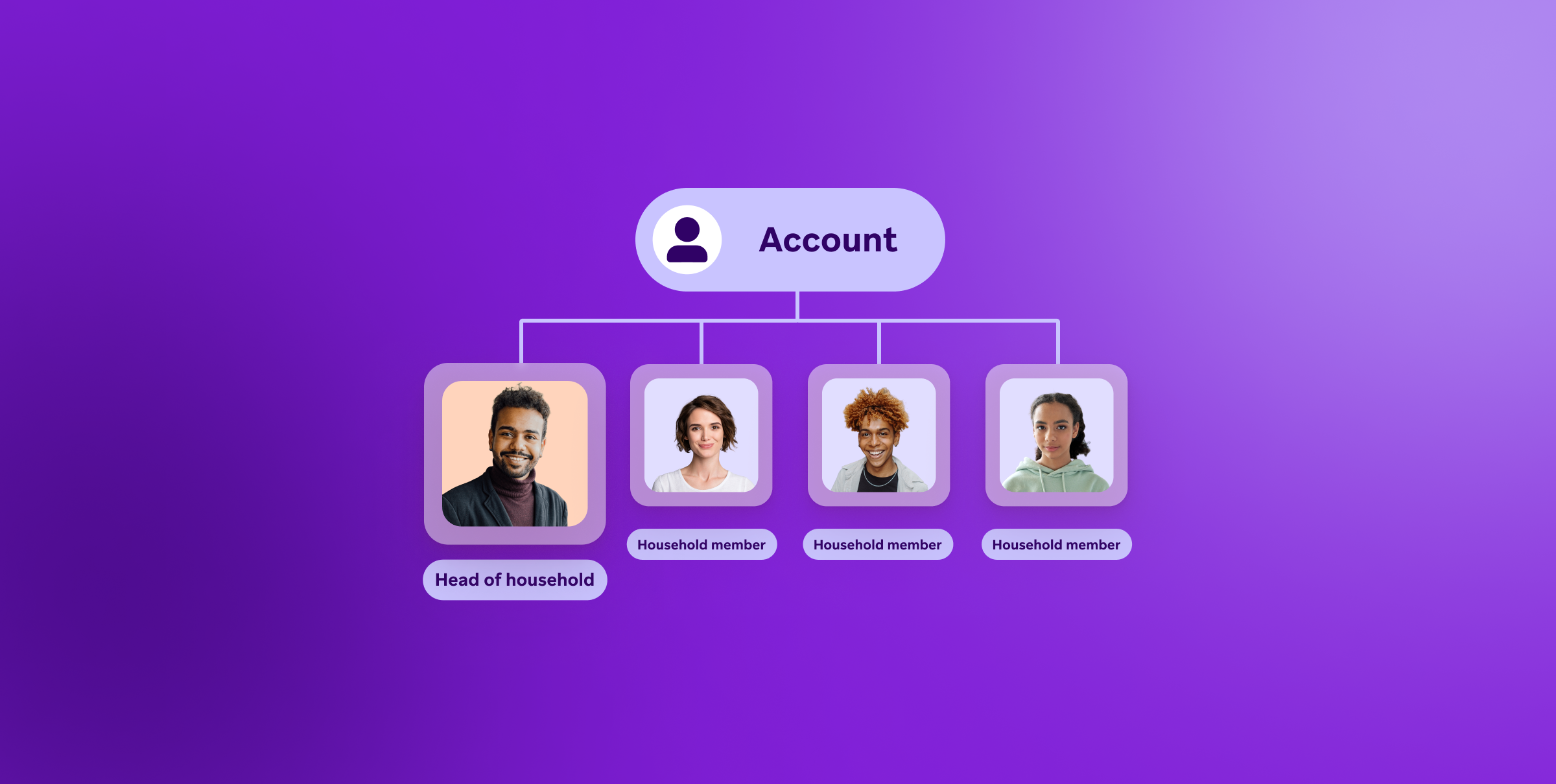
The user profiles have a new "Relationships" tab that contains information on the account the user is linked to and allows you to add and remove accounts from this tab. Every single account has a dedicated profile where you can view and edit account data and manage and associate linked users.
- Tailored to your brand: Use custom fields to track what matters most to your specific business, from industry types to household preferences.
- Model real life: Easily map out complex hierarchies, like parents and children in a household or different branches of a corporation, to reflect how your end users relate to each other.
- Define unique roles: Recognize that one person can wear many hats. Define roles like "Admin" or "Member" so you always send the right message to the right person within an account.
3. Personalization at scale
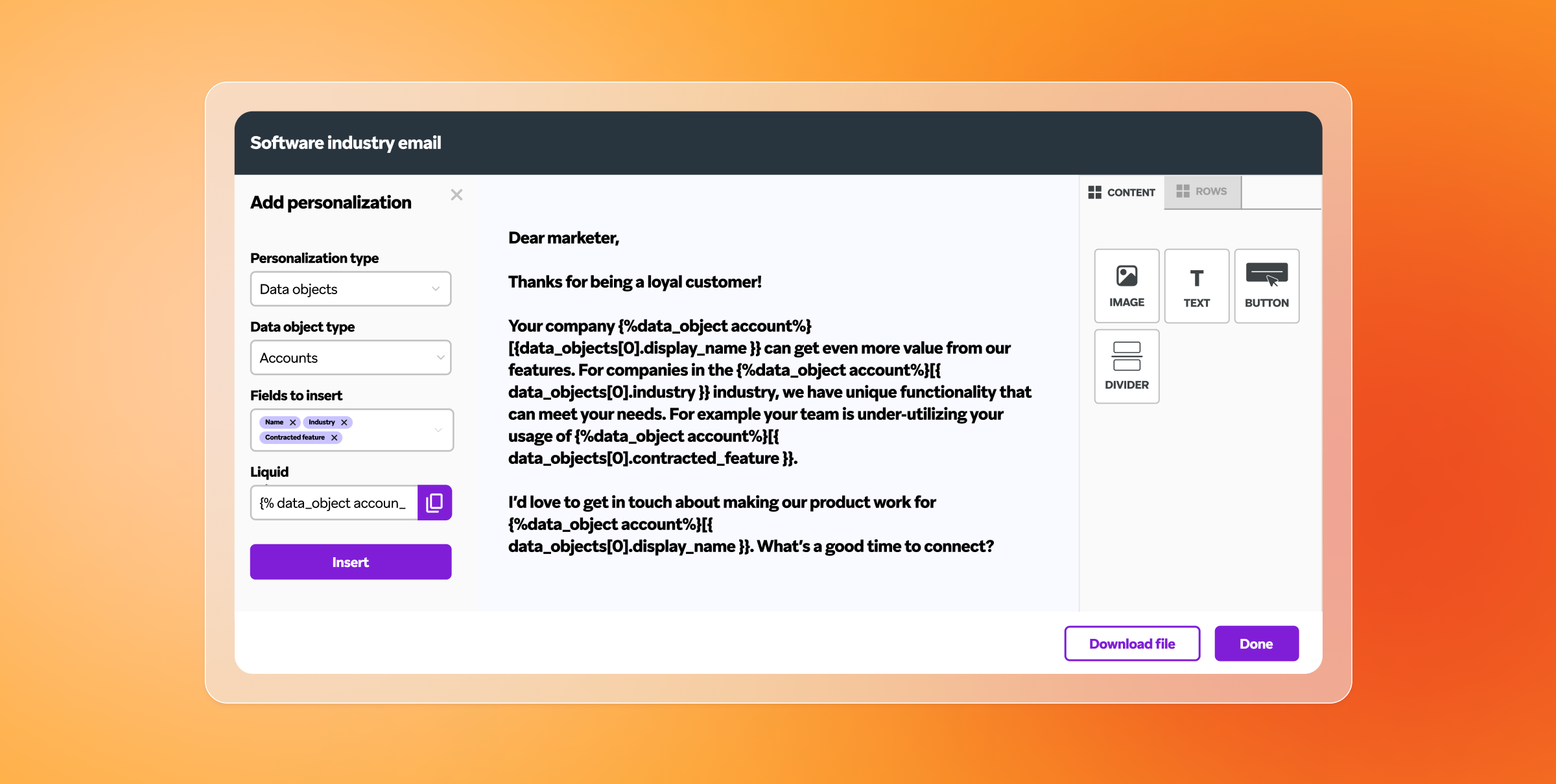
Use Liquid personalization to make every message feel personal by automatically pulling in account context. Whether you're addressing a primary policyholder or a team lead, send relevant information to their specific role and account status.
4. Precision targeting
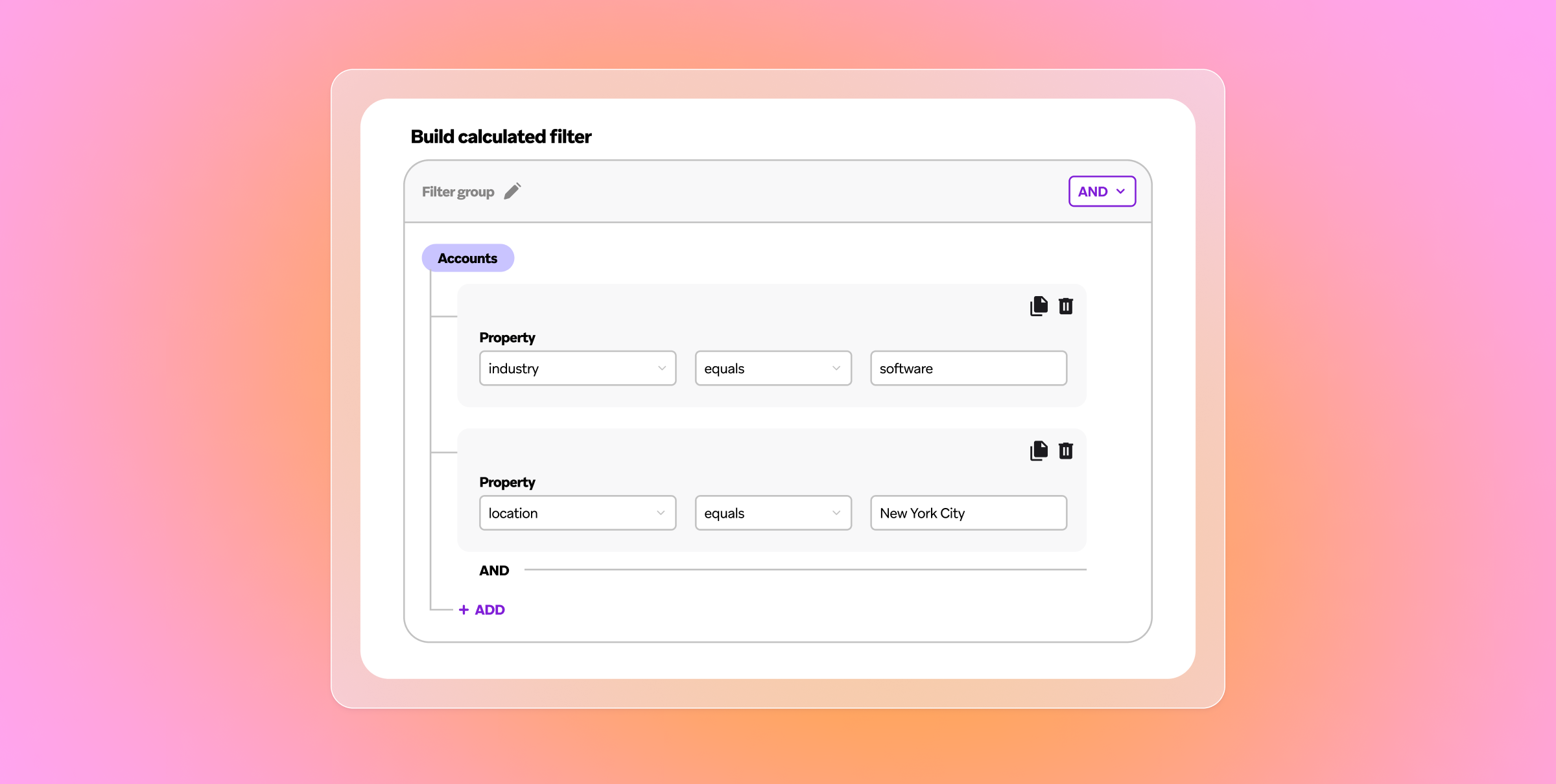
Reach exactly who you mean to by creating account based segments using calculated filters. You can set up filters based on account data and stack them seamlessly with your existing filters in the segmentation tool.
Real-world value in action
What does this actually look like when you're engaging with your customers? By moving beyond just individual user profiles, you can create more thoughtful, connected, user experiences. Here are a few ways brands are using Accounts to turn context into better customer moments:
- Insurance (FinServ): An insurance provider targets the primary policyholder of a multi-user plan while excluding the secondary dependents from the billing-specific message.
- Streaming/media (Householding): Trigger a notification to family plan holder to notify them that their account has reached device limit and suggest an upgrade.
- SaaS (B2B): A Customer Success Manager sends a "Platform Maintenance" alert only to users with the admin role at companies currently in the "Onboarding" stage of their lifecycle.
- Retail supply chain (B2B): A supplier sends a tiered discount offer to all individual procurement officers who work for a specific "Gold Tier" retail franchise group.
Build brand equity with every interaction
At its core, Accounts help reduce the complexity and technical debt of managing group dynamics in customer engagement. When you market to groups as well as you do to individuals, you build deep brand equity. You show your customers that you understand how they live, how they work, and exactly how they relate to your brand.
Ready to get started? Accounts are officially available in Early Access today! Learn more about how to get started.
Forward-looking statements
This blog post contains “forward-looking statements” within the meaning of the “safe harbor” provisions of the Private Securities Litigation Reform Act of 1995, including but not limited to, statements regarding the performance of and expected benefits from Braze and its products and services, including without limitation Braze Accounts. These forward-looking statements are based on the current assumptions, expectations and beliefs of Braze, and are subject to substantial risks, uncertainties and changes in circumstances that may cause actual results, performance or achievements to be materially different from any future results, performance or achievements expressed or implied by the forward-looking statements. Further information on potential factors that could affect Braze results are included in the Braze Quarterly Report on Form 10-Q for the fiscal quarter ended April 30, 2026, filed with the U.S. Securities and Exchange Commission on May 28, 2026, and the other public filings of Braze with the U.S. Securities and Exchange Commission. The forward-looking statements included in this blog post represent the views of Braze only as of the date of this blog post, and Braze assumes no obligation, and does not intend to update these forward-looking statements, except as required by law.
Related Tags
Be Absolutely Engaging.™
Sign up for regular updates from Braze.