Identity resolution: How to unify customer profiles for personalized cross-channel marketing
Published on June 16, 2026/Last edited on June 16, 2026/15 min read

Team Braze
Contents
Identity resolution is the process of connecting fragmented customer data signals, from different channels, devices, browsers, and touchpoints, into a single, accurate profile of one real person.
Tying everything together is called identity resolution and it’s a critical marketing capability, not just a data engineering exercise. That’s because the consequences of fragmented data show up across every campaign. If you work from an incomplete picture, true personalized engagement becomes impossible.
According to Comscore, 54% of mobile impressions and 36% of desktop impressions now carry no traditional identifier. That means a customer who clicked an ad on their phone, browsed on their laptop, and converted on their tablet looks like three separate people. The data is there, but frustratingly, the thread connecting it to one real person is not.
Some platforms approach identity resolution as an added extra, like a plumbing job on your existing customer data platform (CDP) or a developer tool you can bolt on. But there’s a full journey involved to get the most out of it. From data unification, through profile resolution to real-time activation across channels.
In this article, you'll find out how identity resolution works, what's driving its growing importance for marketing strategy, and what separates a system that collects unified data from one that puts it to work the moment a customer acts.
TL;DR
- Identity resolution is the process of connecting fragmented customer data from different devices, channels, and sessions into a single, accurate customer profile. It enables marketers to recognize the same customer across every interaction, regardless of where or how they engage.
- Two matching methods underpin how it works: deterministic matching uses exact identifiers like email address and phone number, while probabilistic matching infers connections from behavioral signals. Modern platforms combine both, supported by an identity graph that maps relationships between identifiers in real time.
- The five use cases with the most direct marketing impact: cross-channel personalization, suppression and frequency management, attribution and measurement, churn prevention, and onboarding optimization.
- How identity resolution fits into a platform's architecture determines how quickly unified profiles can reach campaigns and AI decisioning. Native engagement platform solutions remove the handoff that standalone or CDP-embedded approaches require.
What is identity resolution?
Identity resolution is the process of connecting fragmented customer data signals, from different channels, devices, browsers, and touchpoints, into a single, accurate profile of one real person. It enables marketers to recognize the same customer across every interaction, powering personalized engagement and accurate measurement.
The problem it solves is one most marketers working at scale will recognize. A single customer journey spans multiple devices, browsers, and sessions, and without resolution, one person looks like many. Every duplicate record creates a slightly wrong audience, a slightly wrong message, and a measurement data that can't be trusted.
According to Comscore, 54% of mobile impressions and 36% of desktop impressions now lack identifiers entirely, including alternative IDs, which are ways of recognizing and connecting audiences using deterministic signals and/or probabilistic methods. Identity resolution matters right now because accurate data is harder to come by. Third-party cookies have declined steadily across browsers.. AI-driven personalization adds further pressure because without complete, accurate customer profiles, the models that power it can't perform at the individual level they're built for.
Zero party data | First party data | Second party data | Third party data |
|---|---|---|---|
Information a customer shares intentionally through a quiz or survey | Data that brands collect directly from their customers through their own platforms | First party data that a brand gets from a trusted partner | Data collected (often via cookies) by an organization with no link to your own |
In response, brands have shifted to zero and first-party data, collecting information with consent and this is the primary basis for durable identity resolution.
How identity resolution works
Identity resolution works by matching signals across touchpoints and connecting them through data unification into a single profile. There are two types of matching methods that can be used individually or together and different approaches to help clarify and unify data.
Deterministic matching
What is it? Deterministic matching connects customer profiles using exact, known identifiers: email addresses, phone numbers, login credentials, and external identifiers such as user IDs.
Pros: Because the match is based on confirmed data rather than inference, it produces high-accuracy results.
Cons: Coverage is limited to known users who have already shared identifying information, but for those users, deterministic matching gives a precise, trustworthy link between records.
Probabilistic matching
What is it? Probabilistic matching uses statistical models to infer connections between profiles based on behavioral signals, including device fingerprints, IP addresses, browsing patterns, and location data.
Pros: It reaches a broader audience than deterministic matching alone, including users who haven't shared any identifying information.
Cons: Confidence levels are lower and some inferred connections will be incorrect.
Cross-device identity resolution and the hybrid approach
Cross-device identity resolution is where deterministic and probabilistic matching work in combination. Modern systems prioritize deterministic matches where exact identifiers are available, then apply probabilistic signals to extend coverage across the devices and sessions where those identifiers are missing. Profile merging rules govern how overlapping records are combined, keeping the unified view accurate as it expands.
Identity graphs
An identity graph is the data structure that stores and maps relationships between identifiers, devices, and customer profiles. Rather than holding records in isolated silos, an identity graph maintains a live web of connections that can be queried in real time, allowing any identifier to be mapped back to the unified profile it belongs to. As new data arrives, the graph updates continuously, keeping every channel and campaign working from the most current version of each customer.
Progressive identification
Progressive identification adds a time dimension to the process. Each low-friction interaction, from an email capture to a push opt-in to an app download, adds a signal to a profile and gradually converts anonymous users to known users, without requiring a formal registration event to trigger it. Personalization can begin from the very first session, with each genuine interaction building a richer, more complete profile over time.
Anonymous vs. known users: bridging the gap
The journey from anonymous user to fully profiled requires progressive identification. This moves users along a spectrum through low-friction moments, like an email capture, a push opt-in, or an app download, each one adding a new identifier or behavioral signal. The profile grows through each interaction, giving brands a more complete picture to act on without demanding anything beyond natural behavior.
AI-driven personalization has a direct dependency on the quality of the profiles feeding it. A fragmented identity, where the same person appears as multiple users, produces inconsistent messaging, duplicate sends, and recommendations that reflect only a partial picture of behavior.
The more complete the profile, the more relevant the output of any AI system working from it.
Anonymous users and the behavioral data they generate
An anonymous user is a visitor without a designated identifier, for example, a website browser who hasn't signed up, or an app user who hasn't created a profile. They make up the majority of digital traffic, and while they can't be reached through personal channels, they generate behavioral data worth capturing. Session history, pages visited, content consumed, and in-app actions all create a signal picture that reveals intent and preferences, even before any identification has taken place.
Known users: persistent identifiers and cross-device recognition
A known user is a profile tied to a persistent identifier, such as an external_id, an email address, or a phone number. With a confirmed identifier in place, a customer can be recognized across devices, reached through personal channels, and given a consistent experience regardless of where or how they interact with a brand. Known users also allow for more accurate attribution, since their actions across touchpoints can be connected back to one individual.
Identity resolution use cases for marketers
Every use case below depends on the same thing—a complete, accurate view of the customer across every device, session, and channel.
Use case: cross-channel personalization
Recognizing the same customer across email, push, SMS, in-app, and web channels requires a single profile that persists across all of them. Without resolved identities, the same person receives different messages on different channels with no coordination, creating a fragmented experience that reflects the state of the data rather than a deliberate strategy.
SimpliSafe, a frontrunner in the home security industry, tackled cross-channel personalization with Braze and saw a 3X revenue increase.
They unified four disparate data systems into a single customer view using Braze Data Transformation and webhooks, creating the foundation for consistent messaging across every channel.
Suppression and frequency management
Suppression logic depends entirely on knowing that the customer who just converted and the prospect in your acquisition campaign are the same person. Unresolved profiles produce duplicate sends, post-conversion acquisition ads, and frequency caps that only account for one channel instead of the full picture, all of which damage both customer experience and campaign efficiency.
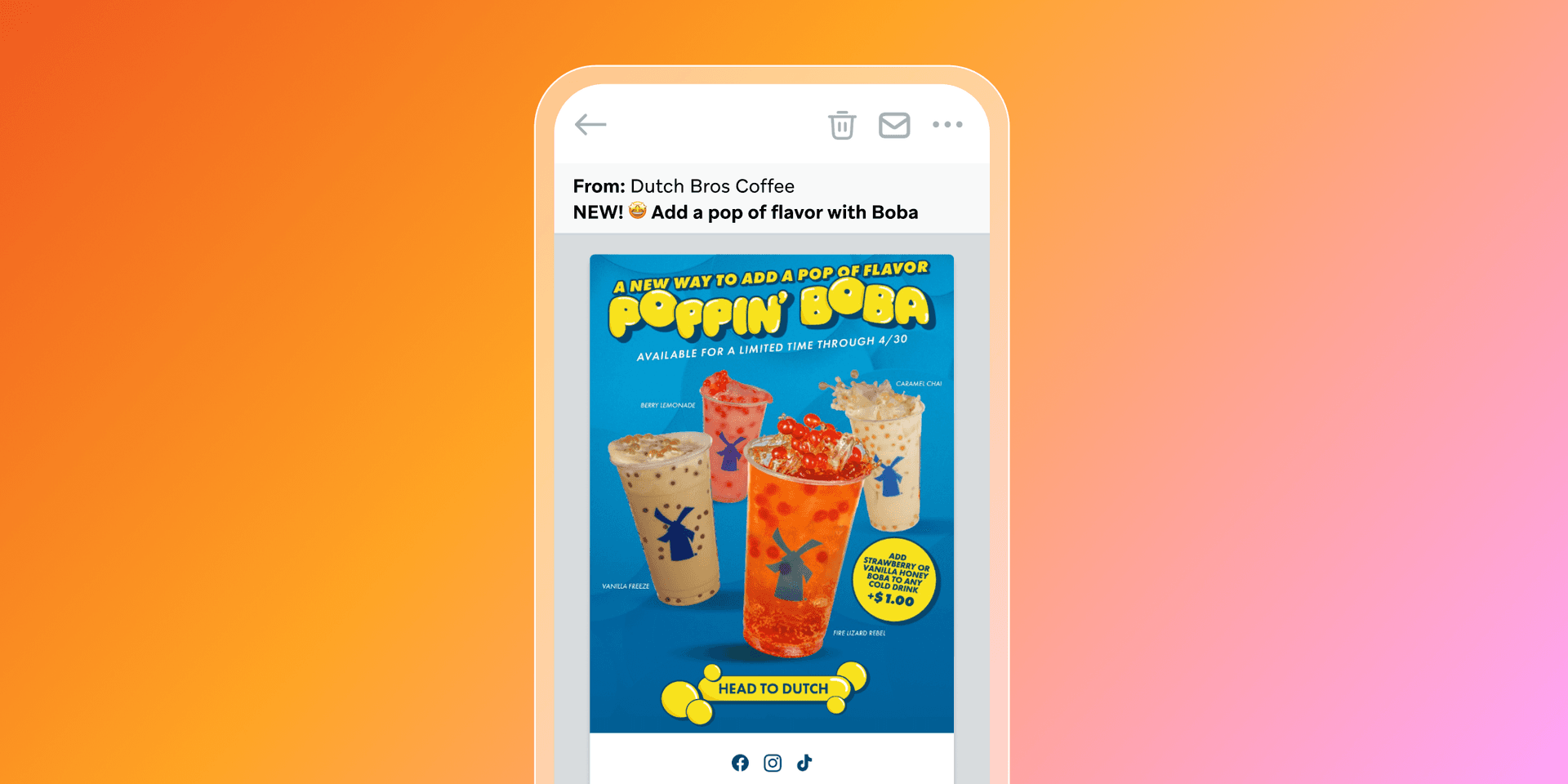
Coffee shop Dutch Bros consolidated SMS, email, push, in-app messaging, and Content Cards into a single Braze stack with Segment as the CDP, creating a unified customer profile that powers suppression and frequency management across every channel from one place. They saw a 230% increase in ROI from CRM campaigns and a 31% cost savings in platform consolidation.
Because all channels shared the same view of each customer, coordinated suppression became possible. Convert on one channel and the messaging stops everywhere, simultaneously.
Attribution and measurement
Accurate attribution requires connecting an ad click, a website visit, and a purchase back to one individual. When those interactions sit across multiple unresolved profiles, multi-touch attribution breaks down, and the channels and campaigns that influenced conversion get misrepresented in reporting.
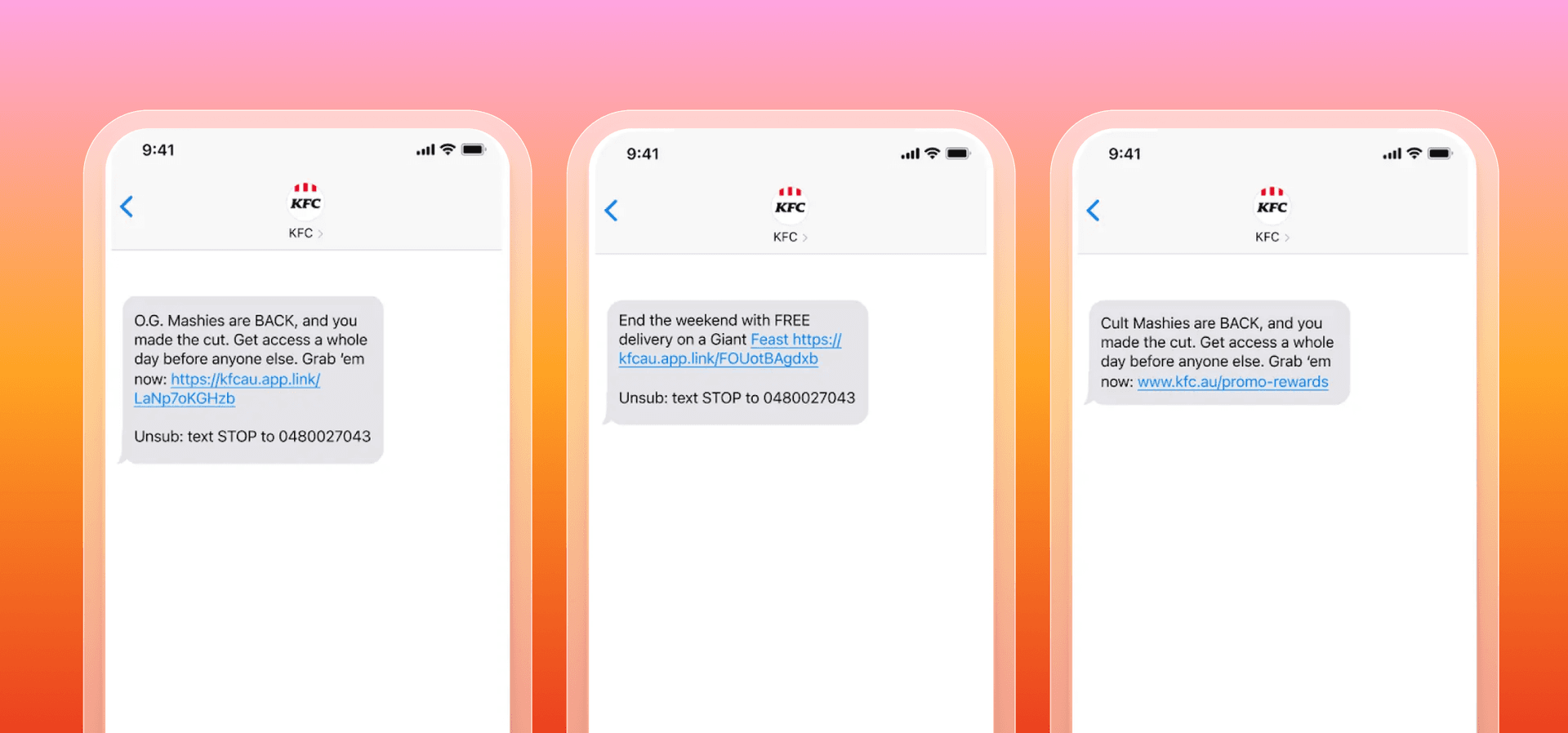
KFC Australia connected Snowflake, mParticle, and Braze to link each customer's message receipt directly to their purchase history, using a clean control versus target group methodology to prove channel-level ROI.
Tying the same individual's SMS engagement to their in-app transaction only works when the identity layer connects both events back to one person, and the results reflected a 3X increase in purchases and a 31% uplift in incremental sales for the SMS group.
Churn prevention
Identifying at-risk users depends on having a complete view of their behavior across all touchpoints. A customer who has stopped opening emails but is still active in the app looks like a churned user in email analytics and an engaged one in product data.
Identity resolution connects those signals, so win-back campaigns can be triggered based on the whole picture rather than a single-channel view.
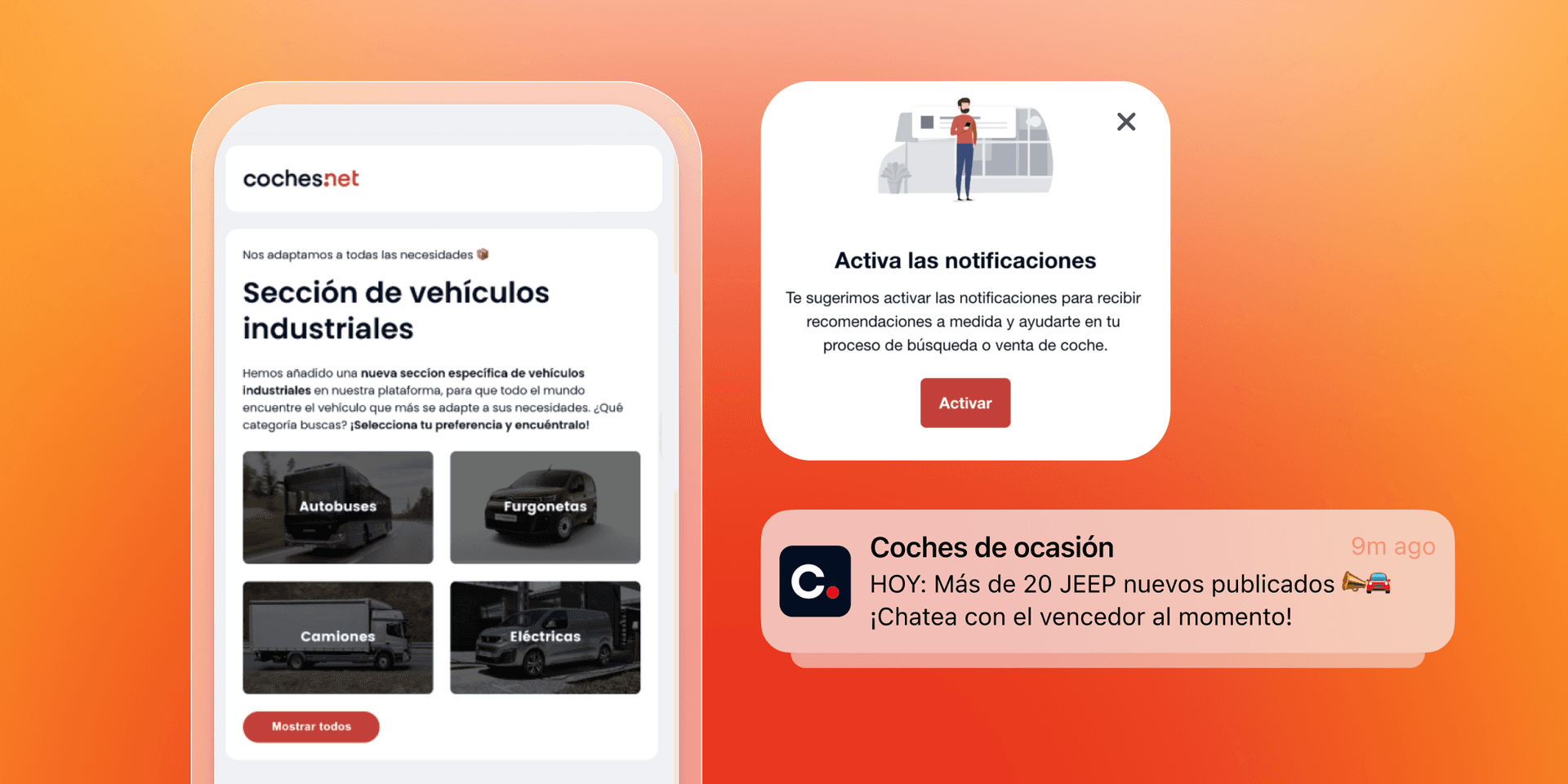
Coches, an online automobile marketing place, used Braze Intelligent Channel to identify each lapsed user's most-engaged channel and trigger a personalized cross-channel win-back journey, driving a 2,892% increase in monthly reactivated users. Only those truly at risk of churn were contacted on the channel they most preferred.
Onboarding optimization
Pre-registration browsing behavior contains signals that are highly relevant to onboarding, like what a user explored before signing up, what content they engaged with, and what features they showed interest in.
Connecting those anonymous behavioral signals to the post-signup profile means the welcome experience can be personalized from the first session, informed by what brought the user there in the first place.
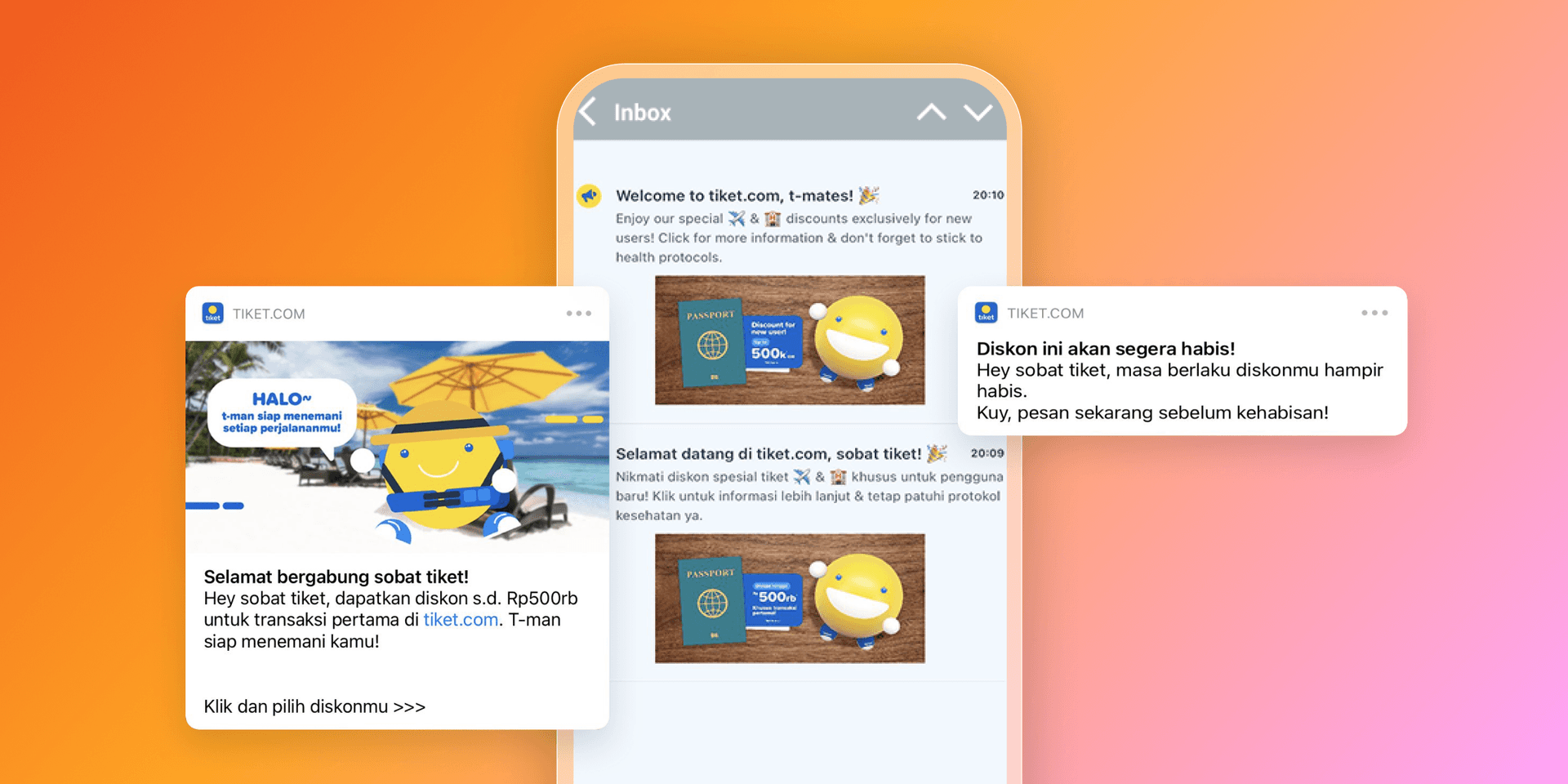
tiket.com for example, an Online Travel Agency (OTA) based in Indonesia, connected pre-session browsing behavior to post-signup profiles to personalize messaging from the first login, driving a 3X revenue increase and a 1,285% uplift in promo code usage.
Choosing an identity resolution platform
Picking the right identity resolution platform comes down to a handful of capabilities that separate tools built for data teams from ones built for marketing activation. Here's what to look for.
What to look for in identity resolution software
Identity resolution software varies considerably in what it resolves, how it matches, and what happens with the result. The capabilities that tend to make the biggest practical difference are:
- Real-time profile merging: De-duplication and merging need to happen as new data arrives, not in periodic batch updates. A profile that hasn't been refreshed since the last nightly sync can trigger the wrong message hours after a customer has already converted.
- Deterministic and probabilistic matching: The platform should support both high-confidence exact matching and statistical inference for users without confirmed identifiers. Most real-world audiences include both, and a system that only handles one misses a significant portion.
- Cross-channel activation: Resolved profiles should be immediately available to trigger, suppress, or personalize messages across channels. If activation requires an additional export or sync step, that introduces latency and creates risk of profile mismatch.
Architecture considerations: three approaches to customer identity resolution
Identity resolution software falls into three broad architectural categories, each suited to different team structures and technology priorities.
Standalone identity layers (such as LiveRamp and Experian) resolve identities across datasets and work well for advertising use cases, data onboarding, and organizations managing complex multi-vendor media stacks. Activation happens downstream in separate systems.
CDP-embedded identity resolution (as used by Hightouch and Segment) places the identity layer within the data infrastructure. This gives data teams close control over profile construction and matching logic, with resolved data passed to engagement tools for activation.
Native engagement platform identity resolution (as with Braze) builds resolution and activation into the same system. Resolved profiles are immediately available to campaigns, journey orchestration, and AI decisioning, with no handoff between systems.
Why activation proximity matters
The fewer handoffs between identity resolution and message delivery, the faster and more accurate personalization becomes. Each handoff introduces latency, creates a window where profile data can become stale, and adds a point of potential failure. For time-sensitive use cases like abandoned cart recovery, post-conversion suppression, and behavioral triggers, that lag has a direct cost.
When resolution and activation share the same platform, profile updates are immediately visible to every channel and every campaign, with the identity layer and activation layer always sharing the same view of each customer.
Integration and compatibility
Data warehouse connectivity, API flexibility, and martech stack compatibility all shape how much of an identity resolution platform a team can put to use. Direct integrations with CRM systems, commerce platforms, warehouse exports, and event streams determine the completeness of the profiles being built. API flexibility governs how easily behavioral signals from outside the platform can feed in, and how easily resolved identities flow out to other tools in the stack.
How Braze powers identity resolution
Identity resolution in Braze is native to the engagement platform, built into the same system where campaigns are built and sent. Five capabilities work together to keep customer profiles unified, accurate, and immediately actionable.
Automated Identity Resolution: Native profile merging that de-duplicates user profiles, eliminates fragmented audience views, and prevents wrong messages from reaching the wrong people. Cross-device tracking means records are matched and merged automatically based on key identifiers like email address, phone number, and custom IDs, so every campaign and audience segment works from a single, accurate view of each customer.
Flexible User Identification: Supports both known (external_id) and anonymous user profiles, compiling a 360-degree view across platforms, devices, and channels. When an anonymous user eventually identifies themselves, their behavioral history carries over to their identified profile automatically, so no prior engagement data is lost.
Progressive Identification: Low-friction conversion pathways from anonymous to known, building first-party data profiles over time through engagement signals. Each push opt-in, email capture, or app download adds a signal to a user's profile without requiring a formal registration gate, so personalization can begin from the very first session.
Braze Data Platform: Real-time data ingestion via SDK, API, CDI, and technology partners, with unified customer profiles feeding directly into cross-channel orchestration. Direct warehouse connections with Snowflake, BigQuery, Databricks, Redshift, and Azure mean brands can activate their full customer data stack with ultra-low latency, without moving data out of existing infrastructure.
BrazeAI Decisioning Studio™: Unified profiles used for 1:1 personalization, with identity resolution providing the data foundation and AI decisioning providing the activation. Using those resolved profiles, it determines the right message, channel, timing, and offer for each individual, adapting continuously as customer behavior and profile data update.
Final thoughts and takeaways for user identity management
Identity resolution has moved from a technical consideration to a foundational marketing one. The questions teams are asking about personalization, attribution, and customer experience all trace back to whether the data feeding those decisions reflects one accurate view of each customer.
AI personalization, accurate attribution, and cross-channel consistency all depend on a complete, accurate view of each customer. Without a unified profile, these capabilities operate on incomplete data and produce incomplete results. As first-party data becomes the primary basis for customer engagement, identity resolution amplifies the value of every consented interaction by connecting what customers share into a complete, actionable profile.
Identity resolution native to the engagement platform keeps a resolved profile immediately available to campaigns and AI decisioning, with no handoff between resolution and activation. The fewer the steps between knowing who a customer is and acting on that knowledge, the more accurate and timely the result.
Building profiles over time through low-friction interactions consistently outperforms requiring users to fully identify themselves before personalization can begin. Each push opt-in, email capture, or app download adds a signal, and the customer relationship develops from the very first session, long before a formal account has been created.
Identity resolution FAQs
What is identity resolution and why is it important for marketers?
Identity resolution is the process of connecting fragmented customer data from different devices, channels, and sessions into a single, accurate profile for each person. For marketers, it's important because personalized messaging, accurate attribution, and consistent cross-channel experiences all depend on knowing that the person who had different interactions, like clicking an ad and making a purchase, are the same individual.
How does identity resolution work to unify customer profiles across devices and channels?
Identity resolution works by matching customer identifiers, such as email addresses, device IDs, and behavioral signals, across touchpoints and linking them to a single profile. Deterministic matching uses exact identifiers like email, while probabilistic matching infers connections based on behavioral patterns. Together, they build a complete view of each customer that can be recognized across every device and channel.
What is the difference between deterministic and probabilistic identity matching?
Deterministic matching links customer profiles using exact, known identifiers such as email addresses, phone numbers, or login credentials, producing high-accuracy results. Probabilistic matching uses statistical signals like browsing behavior, device fingerprints, and location patterns to infer connections where exact data isn't available. Most modern identity resolution systems use both approaches to balance accuracy with reach.
How can identity resolution improve personalization and cross-channel marketing?
Identity resolution improves personalization and cross-channel marketing by giving teams a complete, accurate view of each customer across every device and interaction. When profiles are resolved in real time, AI systems can deliver consistent, contextually relevant messages across email, push, SMS, and in-app channels, with no duplicate sends or misidentified users.
Related Tags
Be Absolutely Engaging.™
Sign up for regular updates from Braze.
Related Content
 Article9 min read
How the Braze Data Platform closes the the gap between data and interaction to unlock faster growth and ROI
June 16, 2026 Article5 min read
Eliminate the middleware tax: Real-time engagement with Braze and Databricks CustomerLake
June 16, 2026 Article5 min read
The finals are over. For marketers, the question is now what?
June 15, 2026