Omnichannel marketing: What it really means for customers (and how brands can deliver in 2026)
Published on January 22, 2026/Last edited on January 22, 2026/14 min read

Team Braze
Contents
People spend a big chunk of their day on mobile, and they move between apps, inboxes, browsers, and physical stores without thinking twice. Worldwide, internet users average 3 hours and 46 minutes per day online via mobile devices, with much of that spent on smartphones.
That’s why omnichannel marketing isn’t simply adding “more channels.” It’s the practical way to run a customer-centric program—what someone does in one place updates and impacts what they see everywhere else.
What is omnichannel marketing?
Omnichannel marketing is the practice of delivering seamless, consistent experiences across the channels a customer actually uses, with data and context traveling with them from touchpoint to touchpoint.
From the customer’s point of view, it feels simple. The brand remembers preferences, picks up where they left off, and doesn’t ask them to repeat themselves.
Omnichannel vs. multichannel marketing: Why the difference matters
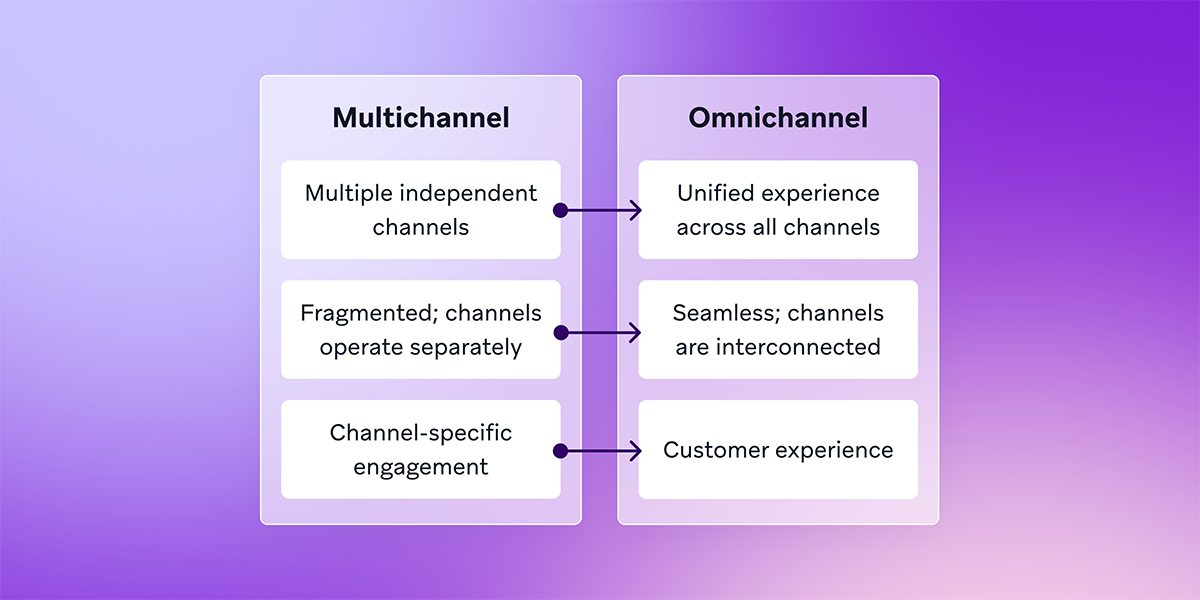
Multichannel marketing means you show up in many places, using more than one channel to reach customers, but each channel is planned and measured mostly on its own.
Omnichannel marketing connects those channels so what a customer does in one place changes what they see in the next.
Here’s a simple example.
A customer gets a promo email, opens your app later, then visits a store:
- In a multichannel setup, they may see the same offer repeated everywhere, even after they’ve redeemed it, or the app recommends products that are out of stock locally.
- In an omnichannel setup, redemption updates their profile, the offer gets suppressed everywhere else, and the next message adapts to the moment (like a replenishment reminder or a loyalty perk).
Why omnichannel marketing matters to customers in 2026
Customers move fast because mobile makes it effortless—and with that speed, a new baseline is set for the customer experience. If a customer takes an action in one channel, the next touchpoint should reflect the prior action.
Brands have long been adapting and increasing their channel mix. Seventy-six percent of messages sent by Braze retail brands aiming to drive purchases during the 2024 Black Friday/Cyber Monday period were multi-channel, up 23% year over year, and those brands sent 10X more WhatsApp messages than the year before.
But here’s what customers notice when the next phase—omnichannel—is working:
- Messages stay aligned across email, app, SMS, and web, so customers feel remembered.
- Journeys move faster, which supports conversion by reducing drop-off between steps.
- Satisfaction improves because the experience feels consistent, and customers aren’t forced to repeat themselves when they switch channels.
- Loyalty builds when personalization is based on customer-provided signals and clear consent, so relevance doesn’t come at the expense of trust.
- 90-day retention rises with more channels. Retailers who messaged customers in one channel saw 2.2X higher 90-day retention than those who sent no messages, and moving from one channel to two increased 90-day retention by 78%.
Core elements of an effective omnichannel strategy
Omnichannel marketing comes down to four things teams have to connect—customer data, audience logic, creative, and coordination across channels. Get those right, and the experience stays consistent as people move through the customer journey.
Unified customer profiles and first-party data
A unified customer view gives every channel the same starting point. First-party data adds the details that make personalization feel accurate, like preferences, purchases, browsing, and mobile app engagement. When those signals connect across online and offline touchpoints, teams can act on what’s current, without losing context between systems.
Smart segmentation and audience paths
Segmentation should reflect where someone is headed, not only who they were at signup. Prospects, active users, and lapsed customers need different audience paths, with audiences updating as behavior changes. Clear entry and exit rules keep targeting aligned with real activity and prevent “stale segment” experiences.
Consistent, channel-appropriate creative and messaging
Consistency comes from a message that makes sense from one channel to the next. Creative can still change to fit each format and it should match the channel’s job in the moment. Email can carry depth, push can drive urgency, SMS can confirm or nudge, and in-app can guide an action right where it happens.
Real-time orchestration and decisioning
Cross-channel orchestration prevents channels from competing. AI-driven decisioning helps drive the next best everything for customers as it constantly experiments and optimizes based on outcomes.
The central role of mobile (and the app) in omnichannel
On average, people check their phones 58 times a day. That makes mobile a vital touchpoint, from supporting in-person moments to delivering strong app experiences.
Before you set your omnichannel marketing strategy, treat your mobile app as a central hub for engagement. More than most digital touchpoints, it’s where you can guide the experience end to end, capture first-party data, and respond in the moment. Push notifications and in-app messages can support in-person interactions, and they can also strengthen the rest of your digital ecosystem by keeping every channel connected to what the customer just did.
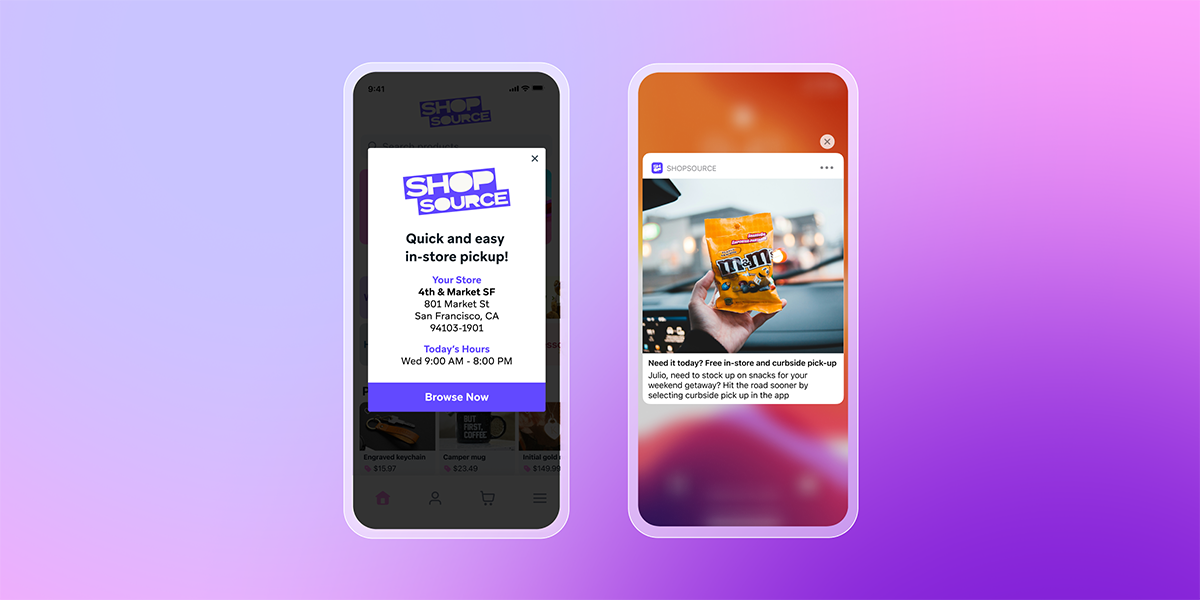
Here, Inkredible Retail supplements mobile shopping with key information for “buy online, pick up in store” customers who want new products before everyone else. With in-app messaging, Inkredible Retail shows the nearest store and store hours via Movable Ink Studio. To keep customers engaged outside the app, it also sends rich push notifications that include deep links to map apps, giving shoppers a direct route to the right location.
How AI and personalization elevate omnichannel marketing
Every omnichannel program involves choices about content, channel, and timing. AI-powered personalization helps teams make those choices based on real behavior across channels, without relying on manual guesswork.
Here are four high-impact ways to apply AI in an omnichannel program:
- Dynamic creative that adapts per customerThe Movable Ink Da Vinci integration uses an AI-driven content decisioning engine to curate relevant content for each user, then deploys through Braze, which helps teams scale personalization without building endless creative variants.
- Send timing that matches engagement patternsBraze Intelligent Timing predicts when a user is most likely to open or click, and schedules delivery accordingly, so messages land closer to when someone is ready to act.
- Channel choice that reflects channel-level behaviorBraze Intelligent Channel uses engagement history to identify the “best” channel for a user, which supports a healthier channel mix and fewer wasted touchpoints.
- “Next best everything” decisioning that learns from outcomesBrazeAI Decisioning Studio™ uses reinforcement learning agents to autonomously experiment and continuously adapt decisions, including channel, message, offer, timing, and frequency, based on how customers respond.
This moves brands from creating static journeys to continuously optimized 1:1 experiences, staying responsive as behavior changes, across every channel and whatever channel comes next for the customer.
Omnichannel marketing examples in action: Cross-channel journeys
Omnichannel marketing examples are sometimes easier to recognize than to describe. The journeys below show how customer context can carry across channels, and stages.
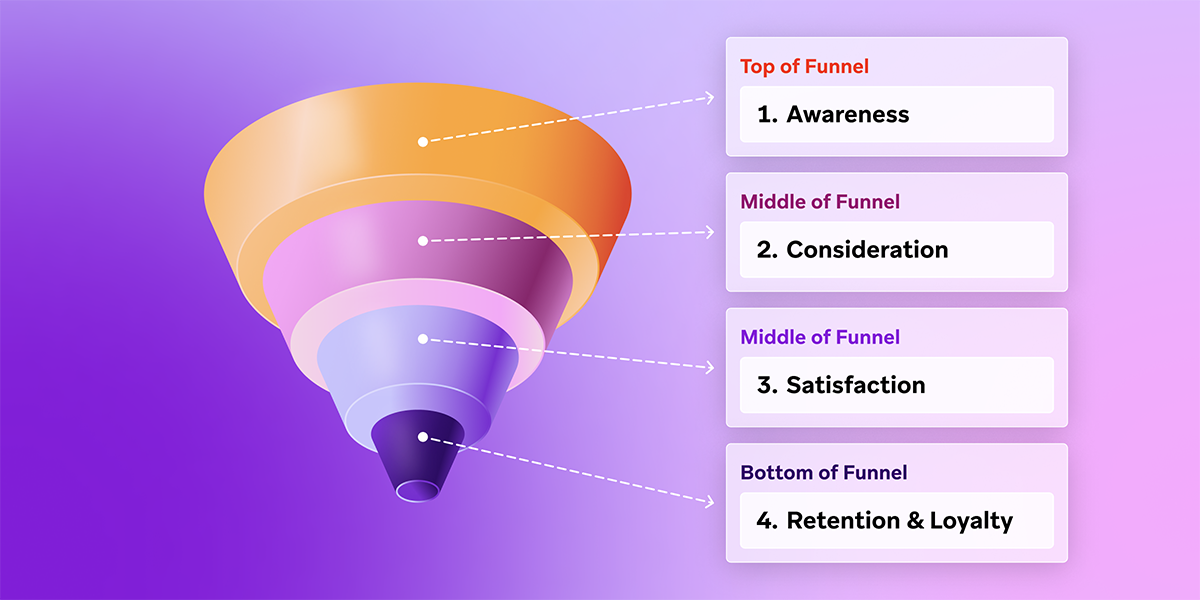
Inkredible Retail
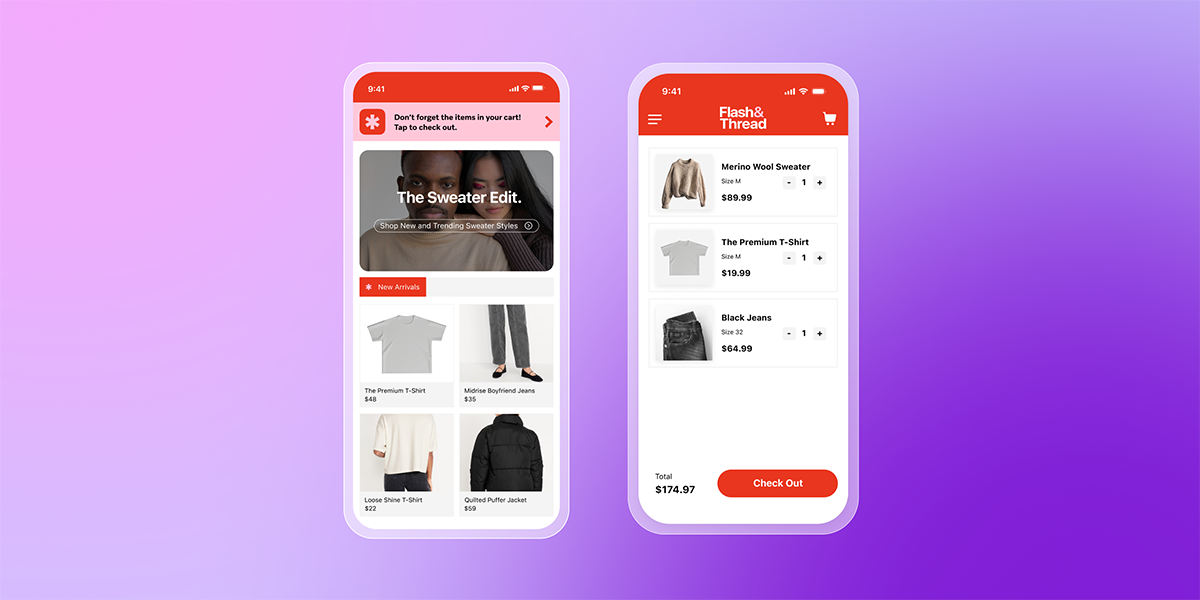
- Awareness: A product email drives discovery and brings customers back into the app quickly.
- Consideration: In-app messaging supports “buy online, pick up in store” shoppers with practical details like the nearest store and hours.
- Purchase: Rich push notifications include deep links to map apps to help customers get to the right location fast.
- Retention: Follow-up messaging keeps customers engaged outside the app, using the same preferences and behaviors to shape what comes next.
Inkredible Media
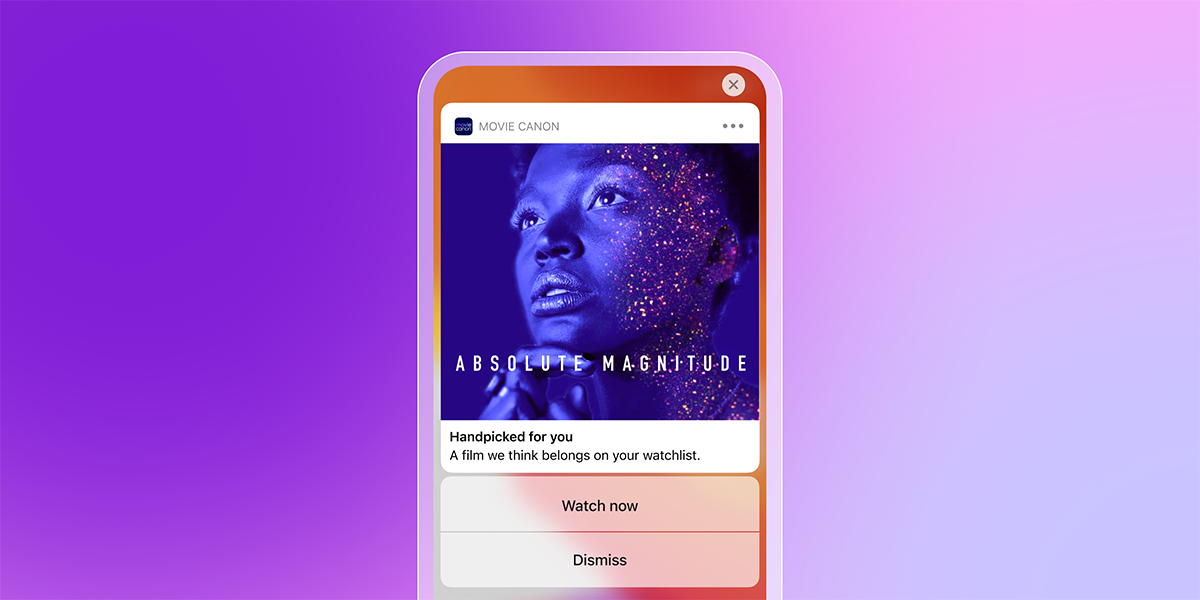
- Awareness: Content suggestions reflect first-party signals like watch history and recent engagement.
- Consideration: Messages help customers choose what to watch next with timely, relevant recommendations.
- Purchase: Recommendations can guide customers toward upgrades or premium experiences tied to intent.
- Retention: Ongoing personalization keeps customers coming back by making each “next watch” feel tailored.
Inkredible Electronics
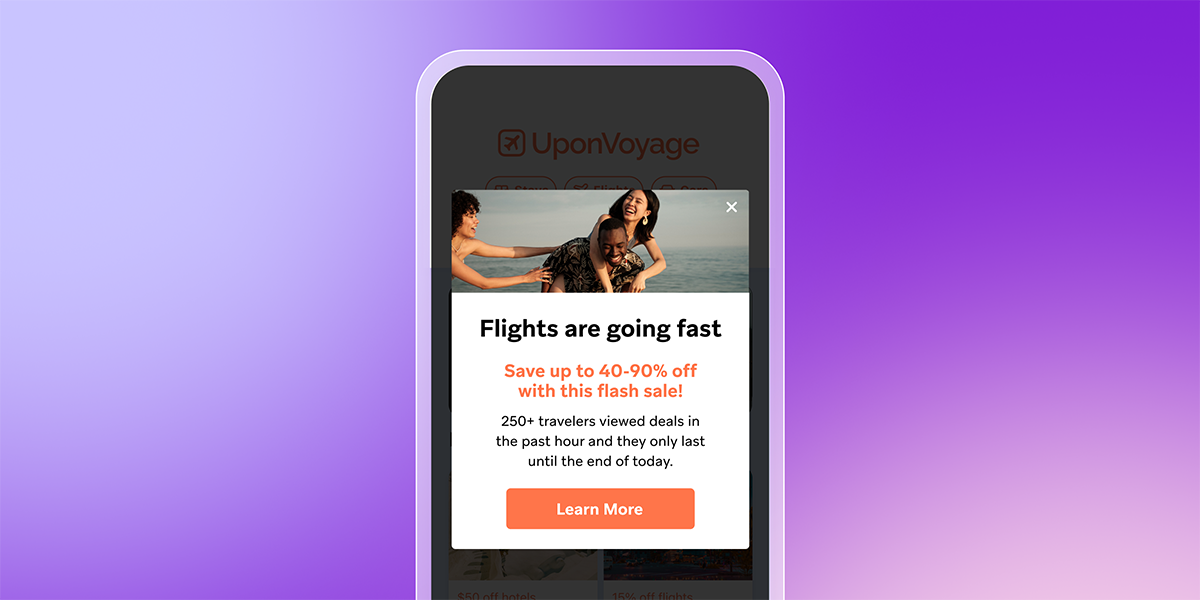
- Awareness: Triggered outreach brings shoppers back to products they’ve already shown interest in.
- Consideration: Messages add urgency with context like pricing changes or limited inventory.
- Purchase: Deep links take customers back to the exact product or cart moment, reducing friction at checkout.
- Retention: Post-purchase messages extend the journey with accessories, setup guidance, or replenishment prompts based on what was bought.
KFC Spain
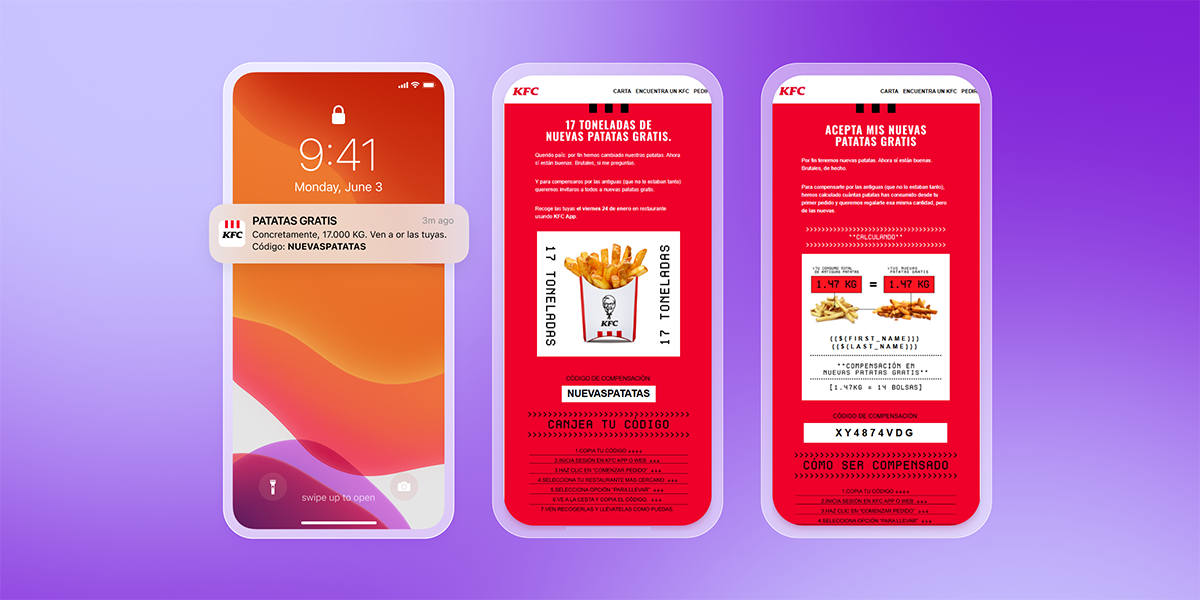
- Awareness: The KFC Spain campaign generated broad attention and engagement across channels.
- Consideration: Historical purchase data identified affected customers, so outreach matched what each person experienced.
- Purchase: The experience drove app engagement and orders through a clear, time-bound call to action.
- Retention: Personalized compensation helped rebuild trust and encouraged repeat behavior by reflecting each customer’s past purchases.
Sephora SEA
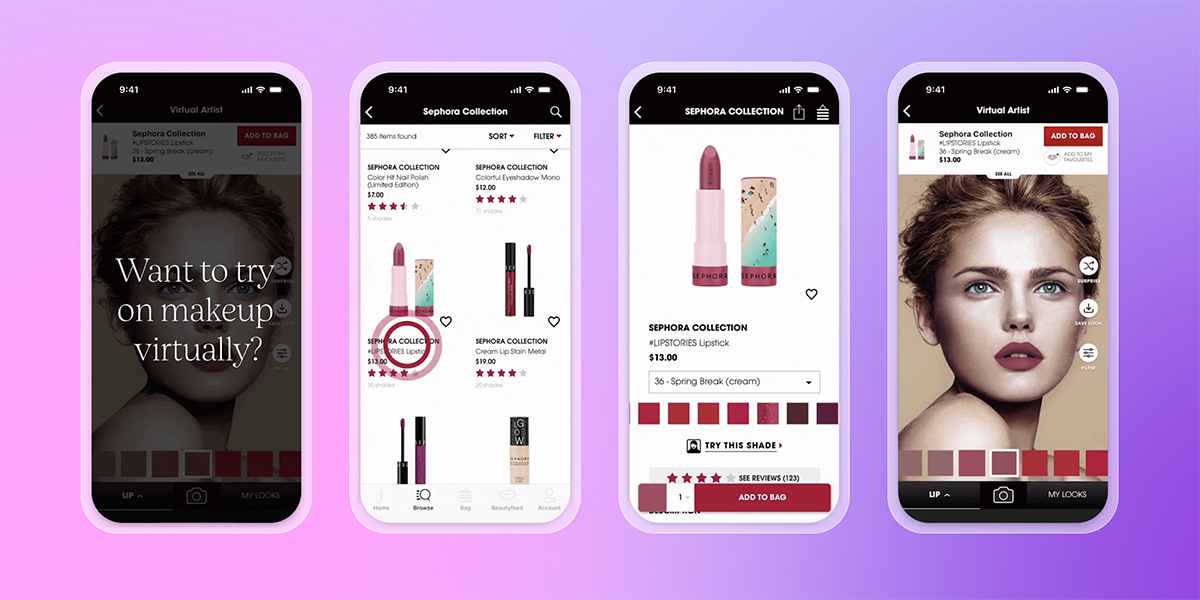
- Awareness: Sephora SEA’s seasonal in-app campaign captured attention during a high-intent moment.
- Consideration: A gamified experience encouraged interaction and kept customers engaged inside the app.
- Purchase: Incentives nudged participants toward conversion while the intent was high.
- Retention: Follow-up in-app messaging captured details and updated profiles to support future personalization.
Building an omnichannel strategy: Step-by-step
Omnichannel strategy can feel overwhelming because it stretches across a wide area of data, channels, creative, and teams. To make sure you stay on track, start with one or two journeys that matter, connect the data required to support them, and expand once you can measure impact. These five stages will point you in the right direction and prevent overwhelm early on.
1. Audit current channels and data silos
You can’t connect what you haven’t mapped. Start by getting clear on what channels you use today, where your customer data lives, and where the experience still feels fragmented.
- List your active channels and what each one is used for (email, push, in-app, SMS, web, messaging apps, paid, store).
- Document where customer events live, what arrives in real time vs. batch, and where identity breaks between systems.
- Flag gaps that create a rougher customer journey, like delayed purchase events, missing preferences, or unclear consent.
2. Define key customer journeys
Once you’ve mapped the moving parts, pick a few journeys where better coordination would have an immediate impact. Keep it focused, and stick to the moments your customers go through most often.
- Onboarding and first value
- Browse and purchase
- Replenishment and repeat purchase
- Support and service moments
As you map each journey, note the actions that change what should happen next, like signup, product view, cart add, purchase, app activity, and support interactions.
3. Connect data sources to create unified profiles
When first-party data connects into unified profiles, messages can reflect what customers actually do, across channels and over time.
- Bring key behavioral, transactional, and preference signals into one profile.
- Make consent and channel preferences visible at the profile level.
- Set rules for how profiles update as new events arrive, so audiences stay current.
4. Start with a single cross-channel journey
Identify one (or two, if you’re ambitious) journeys to build first. Choose journeys that are common or familiar, easy to measure, and likely to positively impact customers over the short-term.
Some starting points might include:
- Welcome series that shifts from email to in-app guidance based on early actions
- Cart or browse recovery that uses deep linking to return customers to the exact product or cart moment
Consider that Braze Canvas supports journey orchestration across steps, channels, and decision points. Movable Ink can support dynamic creative so messages adapt without manual versioning.
5. Layer in personalization and AI, then expand
Once the first journeys are live, you’ll start to see where personalization and AI can take manual work off your plate and help your messages stay relevant as behavior changes.
- Add send-time optimization and channel selection logic where it supports the journey’s goal.
- Use testing to compare journey variants and refine step-level decisions.
- Introduce AI decisioning to determine the best subsequent choices where performance depends on prioritization, frequency, and timing.
As you expand, return to this question: Which journeys matter most, and where does better coordination make the largest difference for customers?
Measuring omnichannel impact: Metrics that matter
Once your journeys run across channels, measurement needs to follow. Single-channel KPIs still have a place, but they won’t show how messages work together across touchpoints, or where people lose momentum.
Here’s a practical set of metrics to start with:
- Cross-channel engagement across the journeyTrack engagement by journey step and by segment, so you can see where people lean in, and where they drop off.
- Time to purchase and time between purchasesThese help you understand speed and rhythm, especially for repeat purchase and replenishment journeys.
- Conversion with attribution across touchpointsLook at conversion paths across channels so you can see how touchpoints contribute, rather than judging each channel in isolation.
- Customer lifetime value and repeat purchase rateLTV and repeat behavior connect your omnichannel program to longer-term value, beyond a single campaign result.
- Churn rate and save-rate for at-risk segmentsTrack how often at-risk customers recover after key interventions, and where the journey still loses them.
- Incremental revenue and lift using control groups and variantsHoldouts and variants help separate correlation from impact when multiple channels influence the same decision.
Braze analytics supports journey-level measurement in Canvas, including step-level performance and variant comparisons, so iteration stays tied to the full experience. Movable Ink data can add creative-level performance signals, helping teams understand which content variations are driving engagement inside those journeys.
Common omnichannel pitfalls (and how to avoid them)
Omnichannel issues usually show up as small annoyances at first—a link that lands in the wrong place, a reminder that arrives after someone already bought, a message that feels like it came from a different brand. Here are four common pitfalls, and the simplest way to correct them.
1. “We’re everywhere, but it feels messy.”
What this looks like: You add channels quickly, but each one runs its own playbook. Customers get a lot of touchpoints, without a clear throughline.
What to do instead: Pick two or three journeys that matter most, and build depth there first. Once you can see performance step by step, expand the channel mix with intention.
2. “Email says one thing, the app says another.”
What this looks like: Teams plan email, push, and SMS separately, so customers see repeats, contradictions, or follow-ups that ignore what just happened.
What to do instead: Anchor journeys to a unified customer view and shared rules, so actions in one channel update the next touchpoint everywhere else.
3. “The message is good, but the click feels broken.”
What this looks like: A customer taps, then lands on a generic page, loses their cart, or can’t pick up where they left off. The experience feels disjointed, even if the messaging is strong.
What to do instead: Invest in the mobile basics that keep the journey connected, like deep linking, cart sync, preference capture, and app-to-web continuity.
4. “Every improvement requires a rebuild.”
What this looks like: Journeys are held together with manual rules and one-off edits. Over time, they become hard to update, and optimization slows down.
What to do instead: Use orchestration and automation for channel selection and timing, then layer in testing and AI decisioning where it helps you prioritize the next best action without constant manual tuning.
How Braze and Movable Ink power omnichannel marketing
Omnichannel comes down to two jobs—coordinating what happens next across channels, and keeping each message relevant without developing a creative bottleneck. Braze covers orchestration and decisioning. Movable Ink helps teams personalize creative across email and mobile at scale.
Where Braze fits
Braze acts as the engagement “brain,” orchestrating journeys across email, push, SMS, in-app messaging, and more using a unified customer view powered by first-party data. Canvas is where those journeys get built and managed.
Braze also supports key decision points inside those journeys:
- Intelligent Timing adjusts send timing based on past engagement.
- Intelligent Channel helps choose the channel a customer is most likely to engage with.
- BrazeAI Decisioning Studio™ adds AI decisioning agents that adapt choices such as message, offer, channel, timing, and frequency based on outcomes.
Where Movable Ink fits
Movable Ink adds dynamic, creative personalization across email and mobile. With Da Vinci, content can be curated per customer using AI-driven content decisioning, then delivered through Braze.
Key takeaways and next steps
Omnichannel marketing keeps the customer journey connected across channels, so actions in one place shape what happens next everywhere else.
A few points to carry forward:
- Continuity is what customers notice. The brand remembers them, picks up where they left off, and avoids repeat messages after they’ve already acted.
- Data keeps channels in sync. Unified profiles and first-party signals help every touchpoint reflect the same customer context.
- AI supports the moments that require a decision. Timing, channel choice, next-best action, and frequency get harder as journeys and audiences grow.
Remember, a simple way to start is to pick one high-volume (or impact) journey you already run, like welcome or browse/cart recovery, then build it as a connected flow across email and mobile with one clear measurement goal.
Omnichannel marketing FAQs
What’s an example of an omni-channel marketing plan?
An example of an omni-channel marketing plan is a welcome journey that starts with email, follows with in-app onboarding tips, then uses push notifications based on in-app behavior to guide the next best action.
What are the key characteristics of omni-channel marketing?
The key characteristics of omni-channel marketing include a unified customer view, consistent experiences across channels, and coordination so messages adapt based on real-time behavior.
Why is omni-channel marketing important?
Omni-channel marketing is important because customers move between channels quickly and expect brands to remember preferences and recent actions across the customer journey.
What’s the role of data in omni-channel marketing?
The role of data in omni-channel marketing is to carry context across touchpoints, using first-party data to power personalization, suppression, and timing decisions.
What technologies support omni-channel marketing?
Technologies that support omni-channel marketing include customer journey orchestration tools, identity and profile unification, experimentation, analytics, and AI decisioning for “next best everything.”
What is omnichannel marketing, in simple terms?
Omnichannel marketing, in simple terms, means customers get a connected experience across channels, with the brand remembering what they did and responding appropriately.
How is omnichannel marketing different from multichannel marketing?
Multichannel uses many channels that may operate separately, while omnichannel connects them so context and decisions stay aligned across touchpoints.
Why does omnichannel marketing matter to customers in 2026?
Omnichannel marketing matters to customers in 2026 because they spend many hours per day on mobile and switch channels constantly, so cohesive experiences reduce friction and make it easier to buy, get help, and stay loyal.
What channels should be part of an omnichannel strategy?
The right channel mix for an omnichannel strategy depends on your audience, but most strategies include email, mobile push, in-app messaging, SMS, and web, coordinated around the journeys that drive value.
How can brands use AI and personalization in omnichannel marketing?
Brands can use AI and personalization in omnichannel marketing to optimize content selection, channel choice, and send timing, with systems that learn from outcomes and refine decisions over time.
What are examples of successful omnichannel campaigns?
Examples of successful omnichannel campaigns include buy online, pick up in store programs with app notifications, and store pickup experiences powered through an app checkout flow.
How do you get started with omnichannel if you’re currently channel-siloed?
If you’re currently channel-siloed and want to get started with omnichannel, begin by unifying profiles with first-party data, then launch one cross-channel journey that shares context across email, mobile, and web before expanding.
Related Tags
Be Absolutely Engaging.™
Sign up for regular updates from Braze.
Related Content
 Article5 min read
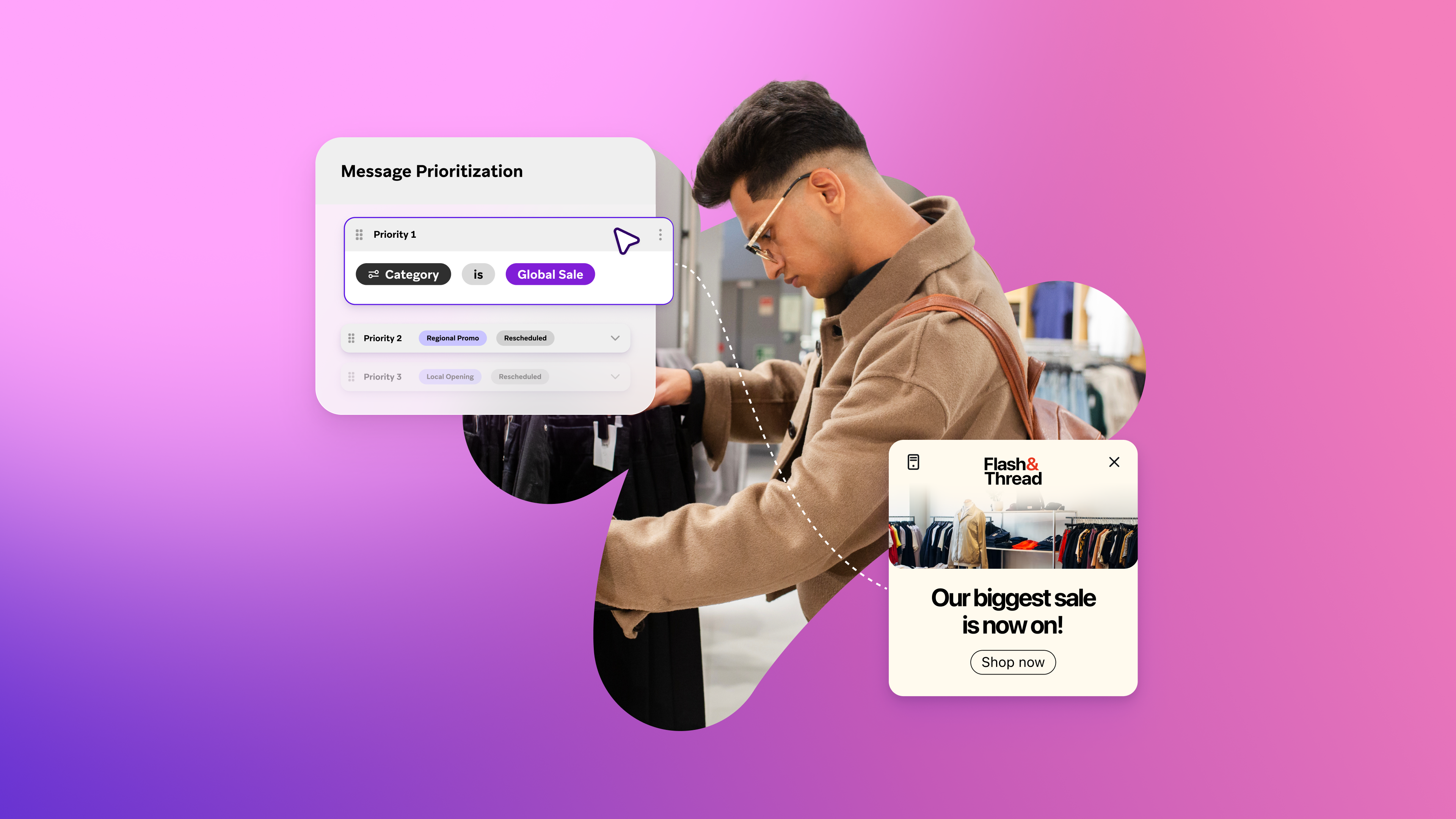
Message Prioritization: Make your most important messages win
October 20, 2026 Article37 min read
SMS marketing examples: Use cases for B2C brands, by industry
October 19, 2026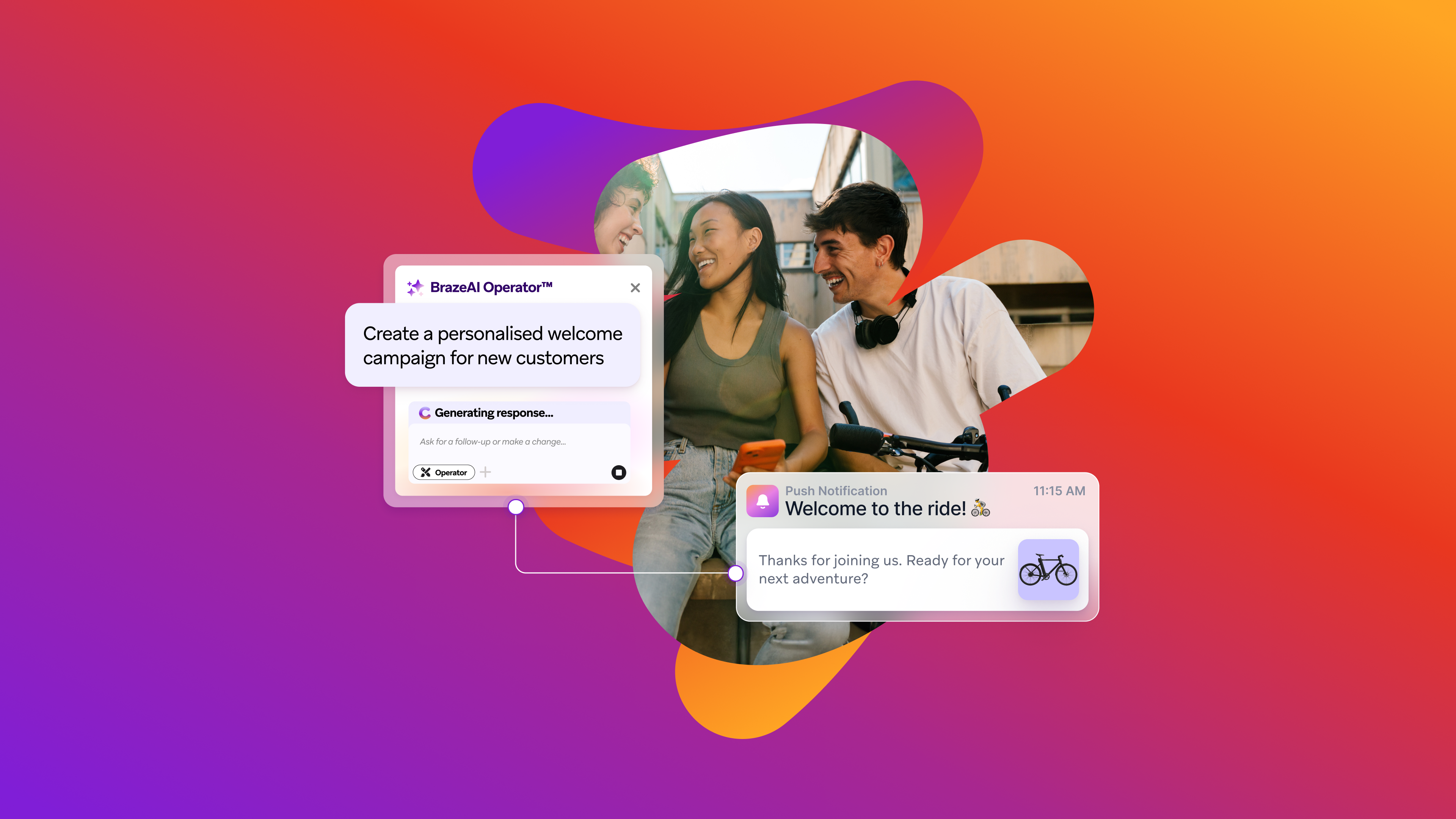 Article11 min read
BrazeAI Operator™ Use Cases: How Marketers Launch Campaigns, Build Segments, And QA In Minutes
October 19, 2026