The ultimate guide to eCommerce personalization in the age of AI
Published on December 03, 2025/Last edited on December 03, 2025/14 min read

Team Braze
Every shopper expects brands to recognize them as individuals. A few years ago, personalization and customization in eCommerce often meant a first-name greeting or a “people also bought” section. Now, it means adapting every touchpoint in real time.
AI and predictive analytics allow brands to interpret behavior as it happens and create connected, relevant experiences that reflect each customer’s journey. Retail and eCommerce brands that add a second messaging channel see 4.5X gains in purchases per user, showing just how powerful consistent personalization can be.
This guide explores how AI-powered personalization works across the full customer journey, the tools that make it possible, and how brands use Braze to create experiences that feel personal at any scale.
Contents
What is eCommerce personalization (and why is it changing fast)?
The shift from manual segmentation to AI-driven personalization and customization in eCommerce
Core components of eCommerce personalization
Top AI tools powering eCommerce personalization
eCommerce personalization examples and use cases
How Braze enables true cross-channel personalization
Case studies and industry inspiration
FAQs: eCommerce personalization for 2026 and beyond
What is eCommerce content personalization (and why is it changing fast)?
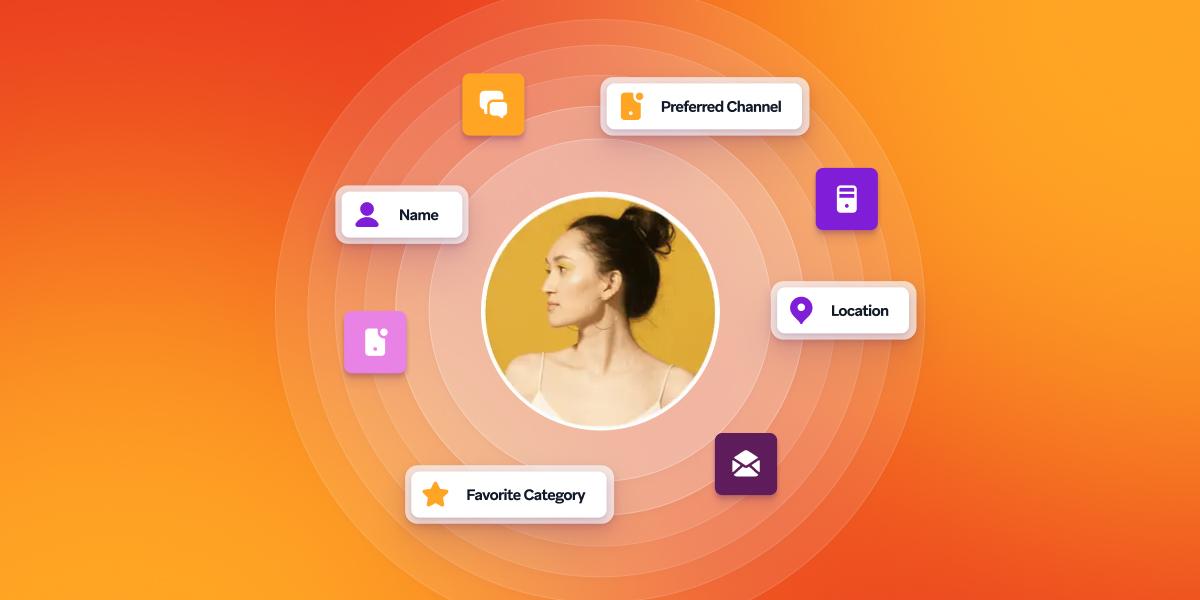
eCommerce content personalization adapts each shopper’s experience—what they see, when they see it, and how they engage—to reflect their interests and behavior. It uses real-time data to make every interaction feel like a one-to-one conversation rather than a broadcast.
Customer journey personalization can take many forms: a homepage that highlights products someone genuinely wants, a message that reconnects them with an item they almost purchased, or an offer that appears at exactly the right moment in their journey. These moments create recognition and relevance—two qualities that build emotional connection and long-term loyalty.
AI brings greater precision to that process. With streaming data and predictive modeling, brands can interpret subtle shifts in behavior and respond instantly. Personalization becomes an ongoing exchange that deepens trust, strengthens relationships, and extends customer lifetime value across every channel.
The shift from manual segmentation to AI-driven personalization and customization in eCommerce
Personalization once meant sorting customers into broad groups and sending each group a version of the same message. It worked, but only up to a point. People’s interests can change faster than traditional segmentation can keep up. The method captures who someone was last week, not what they care about today.
AI eCommerce personalization has changed that rhythm. By connecting live data with adaptive learning, brands can respond in real time to how people browse, buy, and engage. Personalization becomes less about audience size and more about individual moments that matter.
How real-time data transforms engagement
Earlier approaches relied on static lists built from past behavior. Once those lists were created, they aged—fast. Now, every tap, scroll, and search can update a customer’s profile instantly, revealing what matters to them right now. This immediacy lets marketers meet people in the moment, rather than guessing at intent.
When data moves in real time, outreach feels natural. A message doesn’t interrupt; it complements what someone’s already doing. It can remind, reassure, or inspire, depending on where they are in their journey.
From rules-based logic to adaptive learning models
Personalization used to run on simple “if this, then that” rules. For instance, if a shopper signed up for a newsletter, they might automatically receive a welcome discount—whether they’d just made their first purchase or were already a loyal customer. That kind of logic missed context and often felt disconnected from the person behind the data.
AI introduces more flexibility. Learning models can distinguish between someone casually browsing and a returning buyer, predict what will be helpful next, and adjust tone or timing automatically. Instead of manually creating new segments, marketers can guide strategy while the system learns and adapts in the background.
This makes it scalable, but also far more sensitive. The better these models understand each person’s needs and wants, the better they can respond to behavior, timing, intent, and emotion in ways that strengthen relationships and encourage people to return.
Core components of eCommerce personalization
Strong B2C personalization rests on three connected foundations: data, identity, and orchestration. Together they help brands gather insight, understand each customer’s context, and communicate in ways that make sense to the individual.
Data collection and streaming
Understanding how people interact with your brand across channels and moments is where personalization begins. Every visit, click, or purchase reveals intent and helps refine what each person sees next.
Speed is critical too. When updates happen only once a day, insights lose their edge. Streaming data means information is processed as it happens, keeping messages and recommendations aligned with a customer’s current behavior and mindset.
Identity resolution and unification
Shoppers often move across devices and channels within a single journey. Someone might browse on their phone in the morning, check reviews on a laptop later, and complete a purchase in an app that evening. Without a unified view, those actions appear fragmented.
Bringing this data together under one profile restores the humanity behind the activity. It creates a joined-up picture of their experience and helps every message feel like part of a single, ongoing relationship rather than isolated touchpoints.
Campaign orchestration and intelligent selection
Once data and identity connect, orchestration turns that into action. It coordinates timing, message type, and channel so communications make sense to the customer.
AI-driven intelligent selection adds adaptability to that process. It compares message versions in real time and automatically chooses the one most likely to resonate with each person. Every interaction then feeds new insight back into the system, allowing personalization to evolve naturally with each engagement.
Building blocks of eCommerce website personalization
Personalization extends to the website experience, too. Tailored product suggestions, personalized layouts, and reminders about recently viewed items help visitors feel recognized and understood. Even small touches—like surfacing local delivery options or greeting returning customers—can make digital interactions feel more human.
Top AI tools powering eCommerce personalization
AI helps marketers respond to customers with awareness and precision. It reads patterns in behavior, predicts intent, and adapts experiences as they unfold—making personalization more natural and less manual. Each capability adds something different—but all share one goal—creating moments that feel relevant and genuinely useful to the customer.
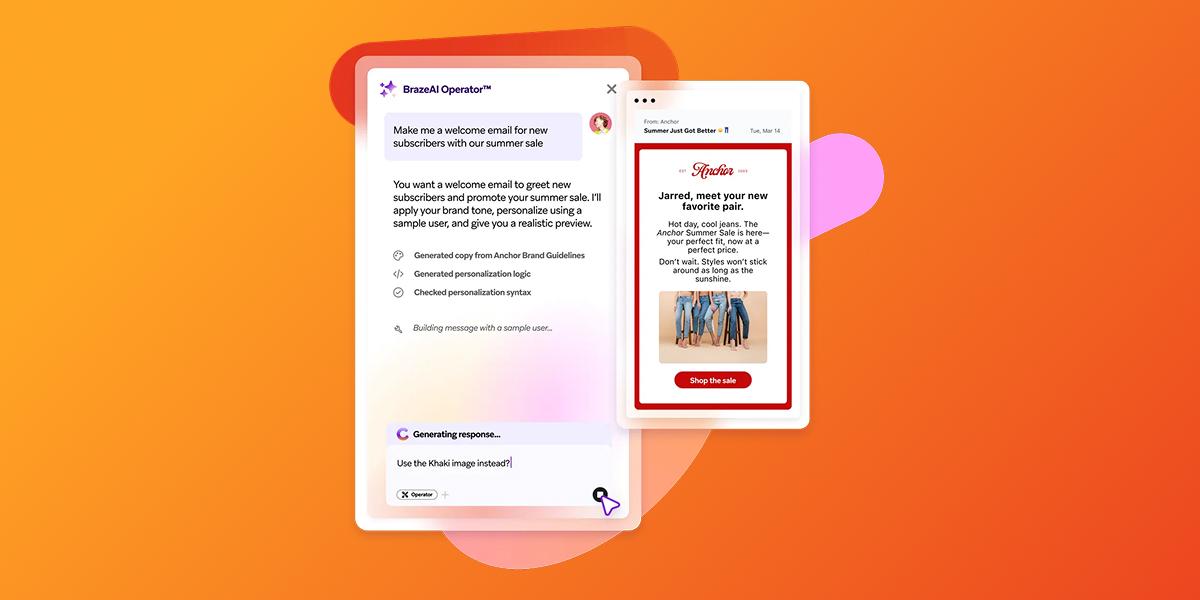
Copywriting assistance via BrazeAI Operator™
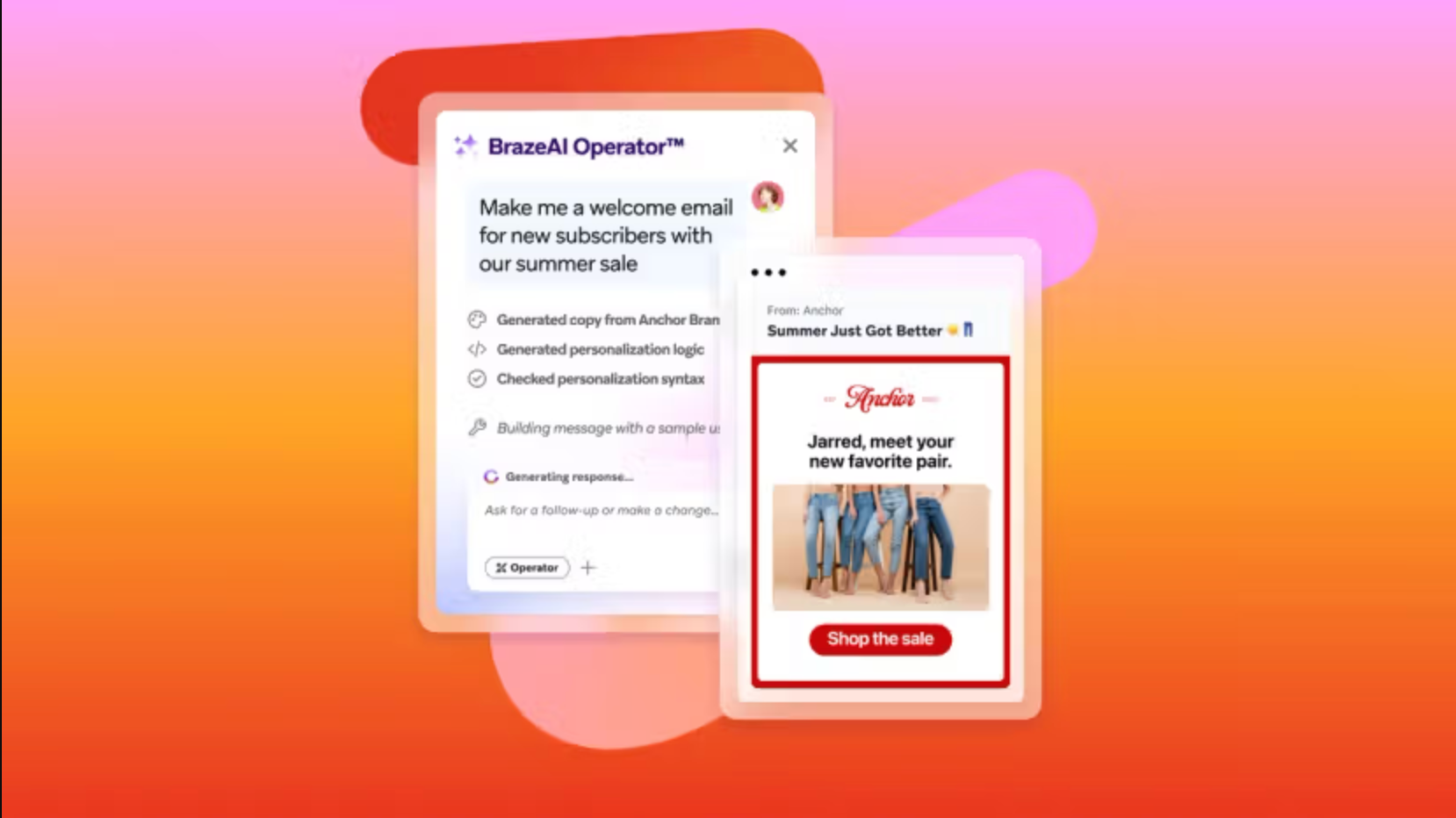
Keeping content fresh and consistent can be a challenge when you’re managing multiple campaigns. The BrazeAI Operator™ can help teams generate on-brand message variations for any channel in seconds. It draws on your brand’s tone and performance data to suggest language that connects with the right audience while keeping a human voice at the center.
Marketers use it to test new creative ideas, refresh existing campaigns, and accelerate production—all while maintaining authenticity and control.
Intelligent Timing and Channel
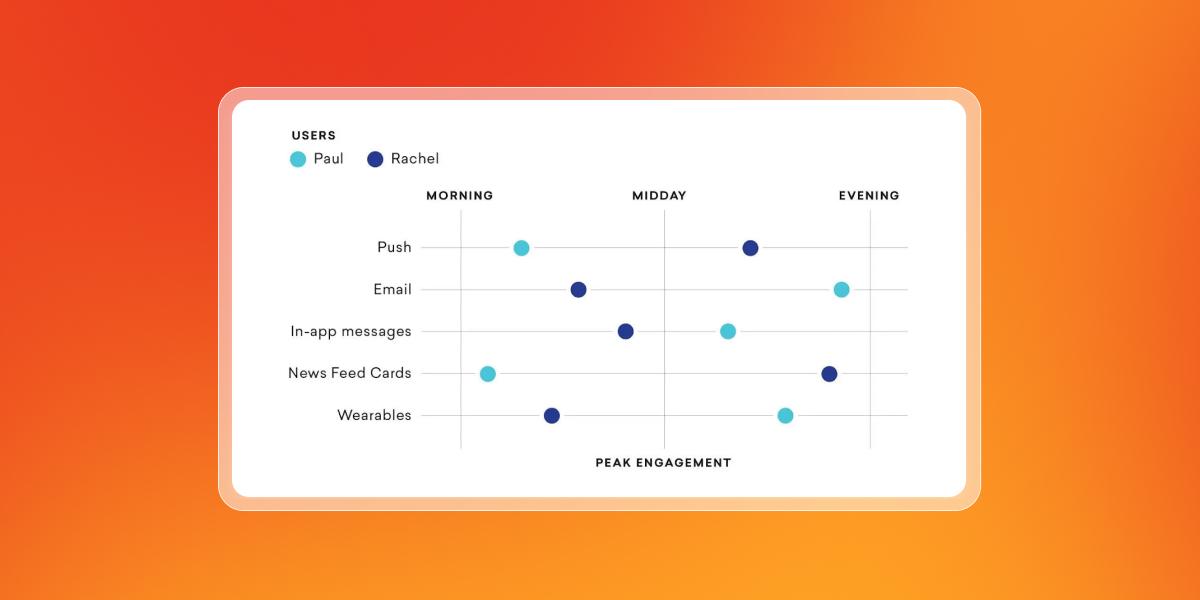
When a message arrives can change how it’s received. Intelligent Timing identifies the moments each person is most likely to engage, while Intelligent Channel chooses where to reach them—whether that’s email, push, in-app message, or SMS.
Together, they help brands communicate in ways that fit naturally into someone’s day, turning everyday messages into welcome, well-timed interactions.
Predictive Events
Predictive Events highlight signals that suggest what a customer might do next. AI can detect when someone seems ready to buy, likely to pause, or open to a new offer.
Marketers can use these insights to act in real time—sending a reminder, incentive, or update that fits the moment. Each interaction becomes an opportunity to anticipate needs in a helpful way—rather than guessing or reacting after the fact.
Personalized Recommendations and Paths
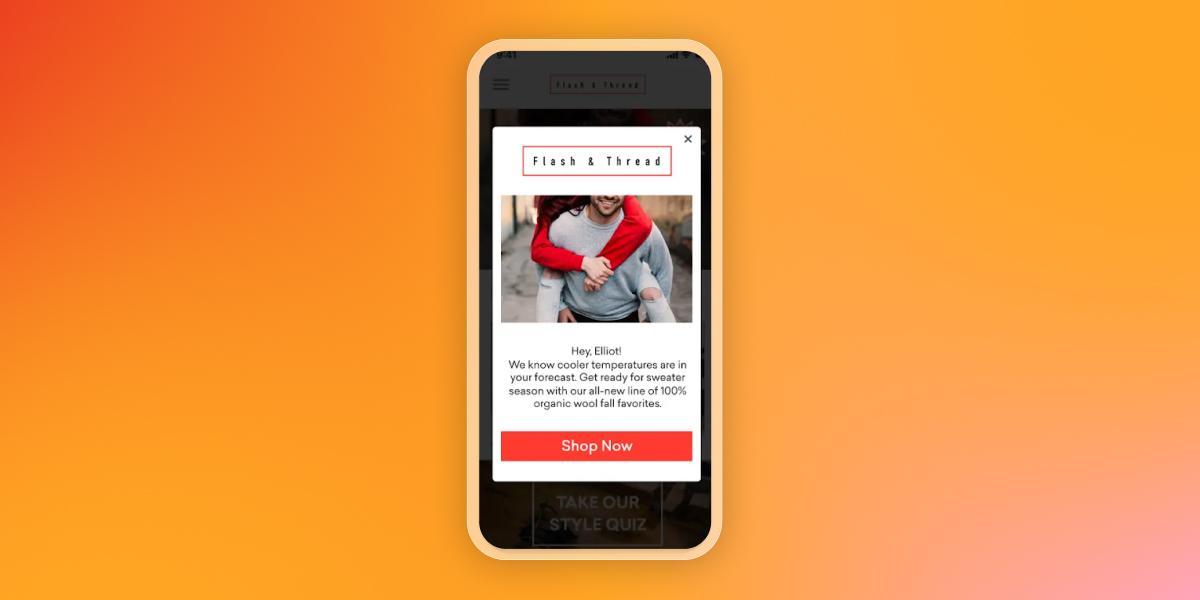
AI supports personalization across the full journey. Tools like Personalized Paths and Personalized Variant learn from behavior and context to identify what each customer is most likely to value next—whether that’s an offer, product, or message.
Instead of designing every possibility manually, marketers can guide the experience while AI optimizes it in the background, creating smoother, more intuitive journeys that encourage people to engage and return.
eCommerce personalization examples and use cases
Personalization makes the biggest impact when it improves real moments in a customer’s journey. From recovering abandoned carts to nurturing repeat engagement, these use cases show how data, timing, and context can turn everyday interactions into lasting connections.
Abandoned cart recovery with dynamic content
When someone adds items to their cart but doesn’t check out, the BrazeAI Decisioning Studio™ uses behavioral and session data to recognize that pause in activity. Rather than sending a blanket reminder, it analyzes what stage the shopper reached and recommends the most relevant follow-up—such as a nudge about limited stock, a free-shipping message, or a product alternative.
Dynamic content then personalizes that message in real time, displaying the exact items left behind or complementary products that make sense for that shopper. The tone stays helpful and conversational, giving people an easy reason to return.
Example use case: Abandoned cart win-back
- Customer leaves items in cart → trigger personalized email with product image and direct link to checkout
- 24 hours later → send push notification with gentle reminder or stock alert
- 48 hours later → follow up with an in-app message offering free shipping or a small incentive
Opportunity
High cart-abandonment rates limit revenue potential and weaken conversion performance.
Strategy
Use real-time triggers to follow up with tailored messages across email, push, and in-app. Focus on helpful reminders and relevant value rather than discounts alone.
Outcome
Recover missed purchases while strengthening trust by responding to intent quickly and respectfully.
Predictive offer selection
Different customers are motivated by different kinds of value. Predictive AI helps brands understand what type of offer each person is most likely to respond to, based on their engagement and purchase history.
For example, Braze Predictive Suite can identify when someone is price-sensitive, loyalty-driven, or exploring new categories, then tailor the next offer accordingly. One customer might receive early access to a collection while another might get bonus points toward their next purchase. Each incentive is shaped by insight, not assumption.
Example use case: Predictive incentive campaign
- Customer browses a new category → predictive model selects a relevant offer type (discount, early access, or bundle suggestion)
- Model refreshes weekly → automatically adjusts campaign parameters based on response data
- High-engagement customers → receive exclusive previews instead of price-based offers
Opportunity
Generic discounts erode margin and fail to build loyalty.
Strategy
Leverage Braze Predictive Suite to assign offers based on behavioral signals and past engagement, rewarding loyalty and curiosity in different ways.
Outcome
Increase conversion efficiency, preserve profitability, and deliver offers that feel fair and personally relevant.
Hyper-personalized post-purchase journeys
The experience after a purchase shapes long-term loyalty. Braze predictive and generative AI tools use recent purchase data to recommend thoughtful next steps—like a follow-up message with care tips, a setup guide, or tailored product suggestions that build on what someone already owns.
By automatically adapting content, timing, and channel, these tools keep communication relevant without overwhelming the customer. The ongoing exchange deepens satisfaction and strengthens the relationship beyond a single sale.
Example use case: Loyalty milestone journey
- Customer makes a third purchase → send “Thank you” email with loyalty points update
- Six months active → deliver push notification with exclusive reward offer
- 12 months active → share anniversary message with special discount
- Surprise bonus for high-value customers → send email and in-app message
- Stat: 79% of customers are more likely to recommend a brand if it has a strong loyalty program
Opportunity
A strong base of repeat customers can still drift to competitors if their loyalty isn’t recognized.
Strategy
Set up milestone triggers for purchases, anniversaries, and tenure. Reward customers with points, perks, or exclusive access through coordinated channels.
Outcome
Boost retention and advocacy by showing appreciation at meaningful moments.
How Braze enables true cross-channel eCommerce personalization
Personalization across channels depends on connection—between data, systems, and people. Braze brings these elements together so every touchpoint feels like part of the same conversation.
With real-time orchestration, Braze processes each customer action as it happens. When someone browses a product, redeems a code, or interacts with a message, their profile updates in real time. Every channel—email, push, in-app, SMS, and web—draws from that single, live view, keeping communication consistent and relevant.
Inside Braze Canvas, marketers can design and automate journeys that adapt in the moment. As customers move through these paths, Braze synchronizes messages, timing, and creative so that experiences stay fluid and meaningful across channels.
AI decisioning enhances that process by analyzing performance and learning which combinations of message, timing, and channel perform best. Testing that once required manual setup now runs through autonomous decisioning agents, giving teams more time to focus on strategy and storytelling.
Cross-channel personalization through Braze helps brands build relationships that feel natural and continuous—bridging every moment of engagement into one connected customer experience.
Case studies and industry inspiration
Behind every strong personalization strategy is a story of experimentation, insight, and connection. The following examples show how brands in different industries are using Braze to turn data into customer relationships—balancing automation with empathy to create experiences that feel both personal and purposeful.
Showmax: Dynamic content for subscriptions
Showmax, a leading online video subscription service, wanted to stand out by tailoring both its content and its customer engagement to viewers across Africa. With movies and shows produced in Kenya and South Africa, and carried in languages like Afrikaans, Zulu, and Sesotho, personalization was a key part of the brand’s identity.
The challenge
Showmax needed a way to connect with users at every stage of the subscriber journey—whether they were on a free trial, actively watching, or had recently churned. The goal was to convert new users, keep current ones engaged, and win back those who’d left.
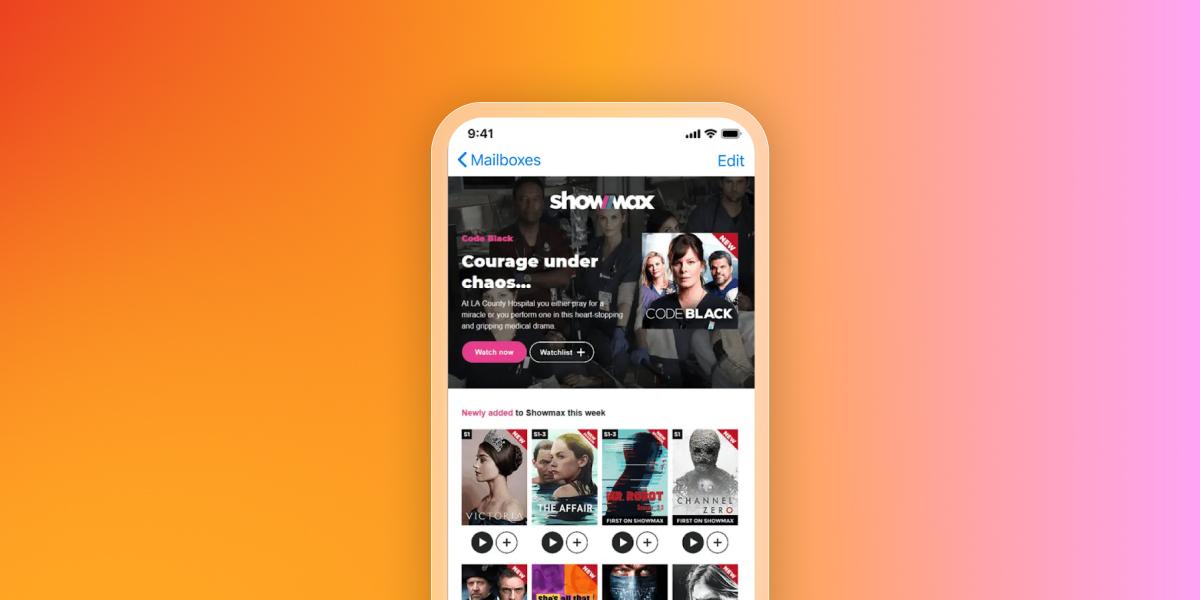
The strategy
Using Braze, Showmax built a sophisticated segmentation system that drew on lifecycle stage, content preferences, and user behavior to deliver personalized, cross-channel messages. Emails, push notifications, and in-app messages worked together to reach each viewer with relevant prompts—like a reminder to add payment details, a show recommendation based on viewing history, or a nudge about a newly released title.
With over 600 metadata tags organizing content by genre, the team could match every message to individual tastes and activity, so each touchpoint felt connected and personal.
The results
Showmax’s approach transformed engagement:
- 204% increase in subscribers
- 37% lift in ROI
- 12% higher win-back rate
- 71% retention rate
- 19% activation of dormant viewers
- 4.4% conversion rate
- 39% of users highly engaged
Grubhub: Using personalized campaigns for retention
With over 300,000 restaurant partners in 4,000 U.S. cities, Grubhub connects millions of diners to the meals they love. To strengthen that connection and celebrate loyalty, the brand wanted to create a campaign that would turn routine ordering data into something memorable. “Taste of 2020” was a personalized ‘year in review’ email that gave every diner a look back at their own food journey.
The challenge
Grubhub’s marketing team wanted to inspire conversation and engagement around the brand. They needed a way to use their vast data set—spanning order frequency, restaurant types, and even tipping behavior—to deliver a personalized experience that felt fun, local, and relevant to each diner.
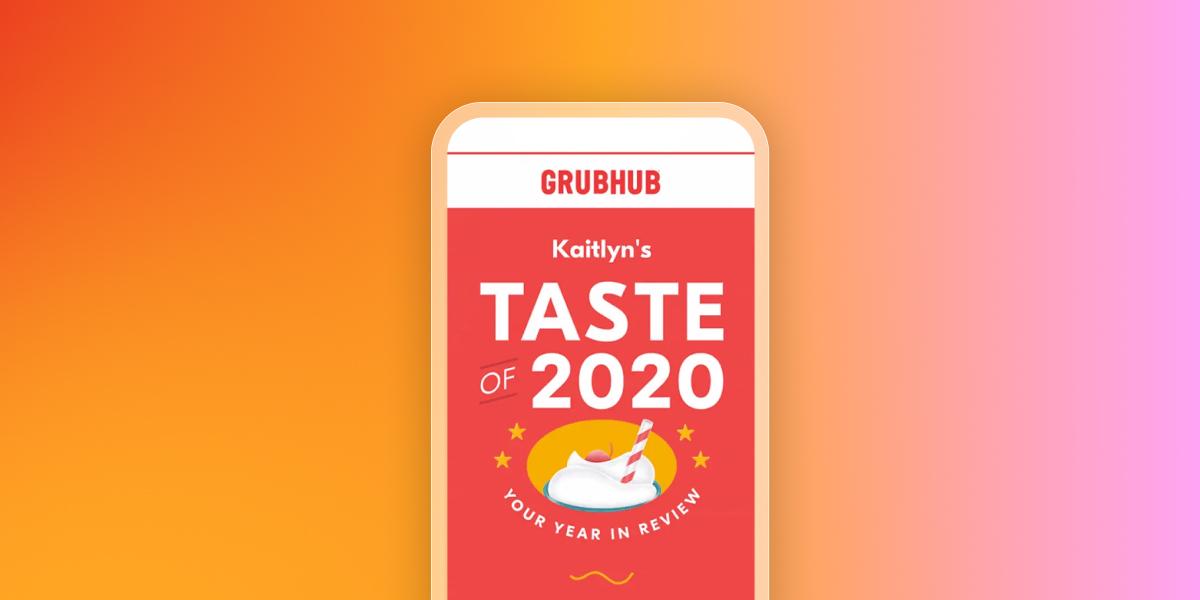
The strategy
Working with Braze, Grubhub built a fully dynamic email campaign powered by data from its own warehouse. Using the Braze API, the team pulled 32 custom attributes for each user—from favorite restaurants to total orders placed—and used Braze Content Blocks to modularize the design. Every element, from the color scheme to the header image, adapted automatically based on the diner’s data.
Liquid personalization made it possible to test and preview thousands of variations quickly, so the marketing team could confirm that every diner’s email displayed accurately and felt consistent with Grubhub’s tone. The campaign brought personality and delight to the inbox—transforming individual data into a playful snapshot of each customer’s year of dining.
The results
The campaign delivered record-breaking engagement:
- 100% increase in social media mentions
- 18% lift in word-of-mouth referrals
By turning raw customer data into a celebration of real behavior, Grubhub strengthened its emotional connection with diners and sparked conversation across social channels. Personalization made people proud to share their Grubhub story.
FAQs: eCommerce personalization for 2026 and beyond
What is AI-powered eCommerce personalization?
AI-powered eCommerce personalization refers to the use of machine learning to tailor content, recommendations, timing, and channels in real time. The approach learns from behavior across web, app, email, push, SMS, and in-app to keep experiences relevant.
How can brands personalize the shopping experience in real time?
Brands personalize the shopping experience in real time by streaming behavioral data into unified profiles, triggering journeys based on fresh signals, and using predictive models to select the next message or offer. This turns live context into timely, helpful interactions.
What are examples of effective personalization in eCommerce?
Examples of effective personalization in eCommerce include abandoned-cart recovery with dynamic content, predictive offer selection tailored to each shopper, and post-purchase journeys with care tips and thoughtful recommendations.
How does personalization improve conversions and retention?
Personalization improves conversions and retention by making interactions more relevant, which increases response, repeat purchases, and loyalty. Adding a second messaging channel, for example, is associated with 4.5X gains in purchases per user according to the Braze 2025 Customer Engagement Review report.
What’s the difference between basic and predictive personalization?
The difference between basic and predictive personalization is that basic relies on static rules and simple attributes, while predictive uses models to anticipate intent and adapt content, timing, and channel for each individual. Predictive approaches keep learning as new behavior appears.
Related Tags
Be Absolutely Engaging.™
Sign up for regular updates from Braze.
Related Content
 Article5 min read
Message Prioritization: Make your most important messages win
October 20, 2026 Article37 min read
SMS marketing examples: Use cases for B2C brands, by industry
October 19, 2026 Article11 min read
BrazeAI Operator™ Use Cases: How Marketers Launch Campaigns, Build Segments, And QA In Minutes
October 19, 2026